


Oriented Silicon Steel Market: Shaping The Future Of Power Transmission
Aug 14, 2023
Leave a message
The oriented silicon steel market is indeed shaping the future of power transmission by revolutionizing the efficiency, reliability, and sustainability of energy distribution systems. As the demand for electricity continues to grow and the need for clean energy sources becomes more urgent, oriented silicon steel's role in enhancing power transmission is becoming increasingly prominent. Here's how the oriented silicon steel market is influencing the future of power transmission:
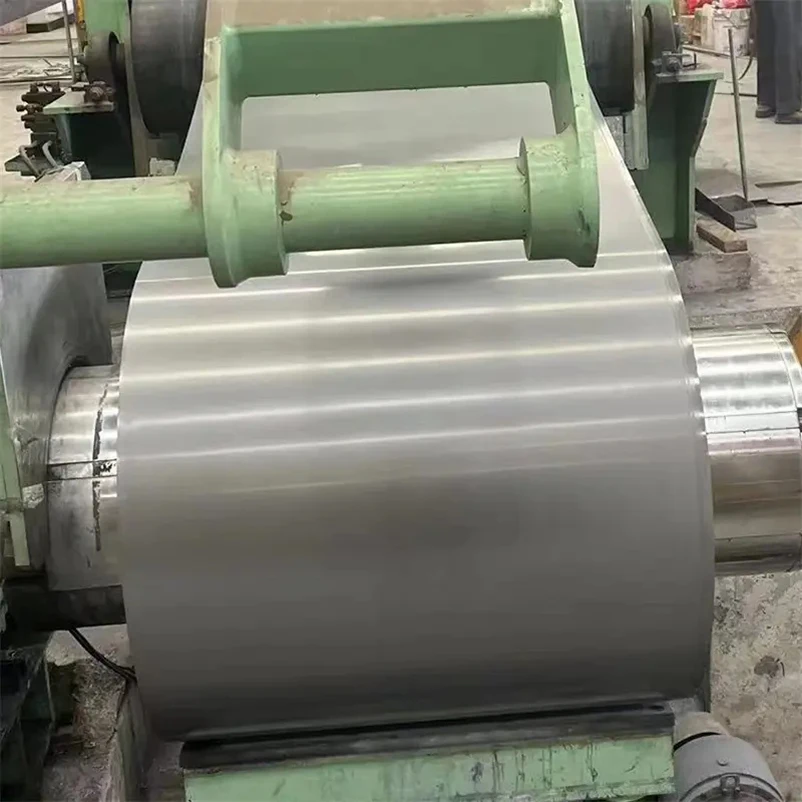
Energy Efficiency: Oriented silicon steel's low core losses and high magnetic permeability make it a crucial material for power transformers and other components in transmission networks. By minimizing energy losses, oriented silicon steel supports more efficient power transmission over long distances.
Renewable Energy Integration: As renewable energy sources like wind and solar power contribute more to the energy mix, oriented silicon steel-based components enable the efficient conversion, transmission, and integration of clean energy into the grid, making power transmission greener and more sustainable.
Smart Grid Development: Oriented silicon steel cores in transformers and other devices play a pivotal role in smart grid development. These grids optimize power distribution, enable real-time monitoring, and enhance grid stability, thereby improving the efficiency of power transmission.
High-Voltage Direct Current (HVDC) Transmission: HVDC systems are increasingly used for long-distance power transmission due to their efficiency benefits. Oriented silicon steel-based transformers are essential for converting voltage levels in HVDC systems, making transmission over vast distances more feasible and efficient.
Urbanization and Grid Modernization: Oriented silicon steel cores support the growing energy demands of urban areas by enabling efficient power transmission. As cities expand and modernize their grids, oriented silicon steel contributes to reliable and efficient energy distribution.
Electric Mobility: With the rise of electric vehicles (EVs), oriented silicon steel-based charging infrastructure contributes to efficient power transmission in charging networks. This supports the expansion of EV adoption without straining existing grids.
Reduction of Carbon Emissions: The use of oriented silicon steel in power transmission contributes to reducing carbon emissions by minimizing energy losses. This aligns with global efforts to combat climate change and transition to cleaner energy systems.
Reliability and Resilience: Oriented silicon steel's durability and resistance to electrical stress enhance the reliability and resilience of power transmission components, ensuring consistent energy supply even in challenging conditions.
Rural Electrification: In remote and rural areas with limited access to electricity, oriented silicon steel-based transformers and distribution systems facilitate efficient and reliable power transmission, supporting economic development and improving quality of life.
Global Energy Access: The efficient power transmission enabled by oriented silicon steel has the potential to extend energy access to regions with inadequate infrastructure, contributing to sustainable development on a global scale.
In conclusion, the oriented silicon steel market is driving the future of power transmission by enabling more efficient, reliable, and sustainable energy distribution. As technologies continue to advance and the world moves toward cleaner energy sources, the role of oriented silicon steel in shaping the future of power transmission is instrumental in achieving a more efficient and sustainable energy landscape.