


Oriented Silicon Steel: Future Applications in Transportation
Aug 23, 2023
Leave a message
Oriented silicon steel has the potential to find various applications in the transportation sector as the industry increasingly focuses on electrification, energy efficiency, and sustainable mobility solutions. Here are some potential future applications of oriented silicon steel in transportation:
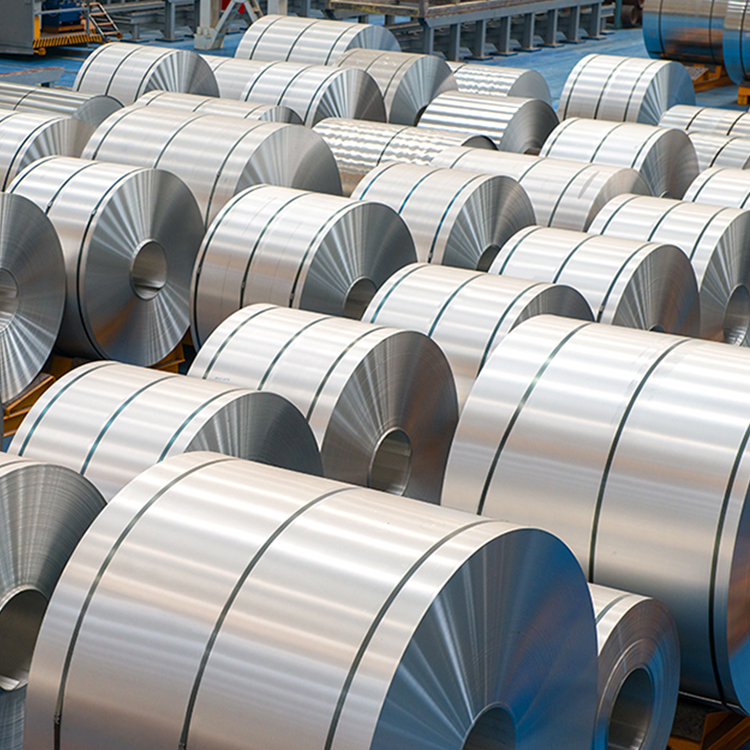
Electric Vehicle (EV) Motors: Oriented silicon steel could be used in the construction of electric vehicle motors, specifically in the stator and rotor cores. Its low core losses and high magnetic permeability would contribute to higher motor efficiency and improved range for electric vehicles.
Hybrid Electric Vehicles (HEVs): HEVs combine internal combustion engines with electric propulsion systems. Oriented silicon steel could enhance the efficiency of the generators used in hybrid systems, improving overall fuel economy and reducing emissions.
Battery Management Systems: In electric vehicles, oriented silicon steel could be utilized in battery management systems to efficiently manage and distribute power from the battery pack to various components, improving energy utilization.
Charging Infrastructure: The transformers and power electronics used in EV charging infrastructure could benefit from oriented silicon steel's efficiency-enhancing properties, supporting fast and efficient charging while minimizing energy losses.
Rail Transportation: Oriented silicon steel could be integrated into the propulsion systems of electric trains and light rail systems to increase energy efficiency and reduce the environmental impact of rail transportation.
Marine Propulsion: In maritime applications, oriented silicon steel could be used in electric propulsion systems for ships and boats, contributing to reduced emissions and increased efficiency.
Aircraft Electrification: As the aviation industry explores electric propulsion for smaller aircraft and drones, oriented silicon steel could play a role in designing efficient electrical systems.
Magnetic Levitation (Maglev) Systems: Maglev trains, which use magnetic fields for propulsion and levitation, could benefit from the high magnetic permeability and low core losses of oriented silicon steel in their propulsion and guidance systems.
Energy Recovery Systems: Oriented silicon steel could enhance the efficiency of energy recovery systems in transportation, such as regenerative braking systems in electric and hybrid vehicles.
Vehicle-to-Grid (V2G) Systems: In V2G systems, where electric vehicles are used to store and return energy to the grid, oriented silicon steel-based equipment could contribute to efficient energy conversion and grid integration.
High-Speed Rail Networks: High-speed trains require efficient propulsion systems to maintain high speeds. Oriented silicon steel could improve the efficiency of these systems, making high-speed rail networks more sustainable.
Commercial and Public Transport: Oriented silicon steel could be applied in buses, trucks, and other commercial vehicles, contributing to the electrification of public transportation and reducing emissions.