


Oriented Silicon Steel Cores: Improving Transformer Sound Levels
Aug 23, 2023
Leave a message
Oriented silicon steel cores can play a role in improving transformer sound levels by mitigating the effects of magnetostriction, which is a phenomenon that causes mechanical vibrations and noise in transformers. Magnetostriction occurs due to the expansion and contraction of the transformer core material as it undergoes magnetization and demagnetization during each AC cycle. This mechanical movement generates vibrations and acoustic noise, which can be particularly noticeable in larger transformers.
Here's how oriented silicon steel cores can help reduce transformer sound levels:
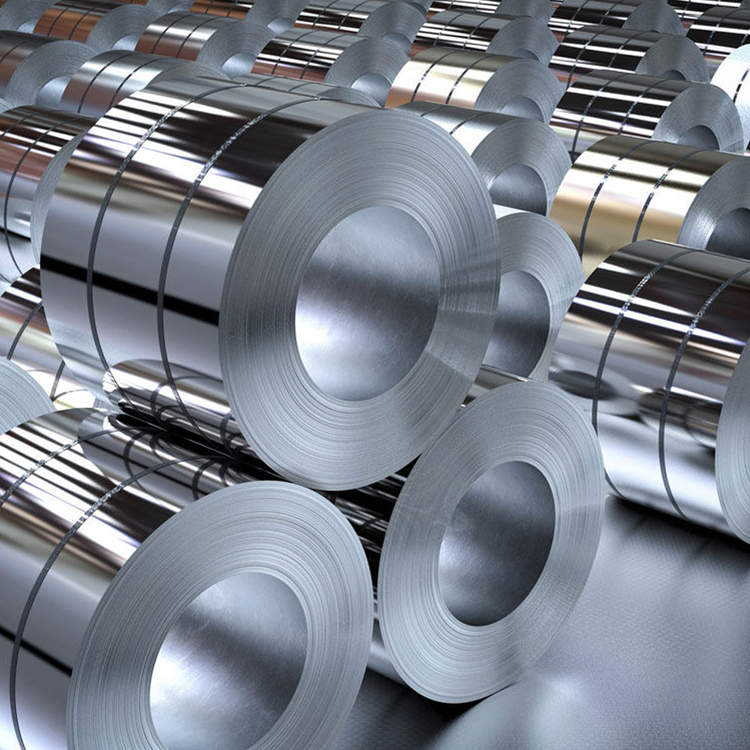
Reduced Magnetostriction: Oriented silicon steel cores are designed to have a specific grain orientation that minimizes magnetostriction effects. The alignment of crystal grains in the steel reduces the mechanical movement that leads to vibrations and noise.
Low Hysteresis Losses: Oriented silicon steel's low hysteresis losses also contribute to reduced magnetostriction. Lower hysteresis losses mean less energy is dissipated as heat during each magnetization cycle, resulting in fewer mechanical movements and vibrations.
Damping Materials: Some transformer designs incorporate damping materials between the core laminations to further reduce vibrations and noise. These materials absorb and dissipate the mechanical energy generated by magnetostriction.
Precise Design and Manufacturing: Oriented silicon steel cores are manufactured with precision to ensure that the grain orientation is optimized for reducing magnetostriction. This precise design minimizes the potential for irregularities that could lead to excessive noise.
Stress Relief Techniques: During the manufacturing process, stress relief techniques can be applied to minimize internal stresses within the core material. This helps maintain the material's properties and reduces the potential for noise generation.
Vibration Isolation: The mechanical assembly of transformers can incorporate vibration isolation techniques, such as mounting the transformer on rubber pads or isolating it from the surrounding structure to prevent vibrations from being transmitted as audible noise.
Core Geometry Optimization: The design of the transformer core can be optimized to reduce the effects of magnetostriction. This includes choosing the right core shape and dimensions to minimize mechanical stress.
Advanced Material Coatings: Coating the core laminations with advanced materials can further reduce the magnetostriction effects and subsequent noise generation.