


Oriented Silicon Steel: Enhancing Wind Turbine Performance
Aug 23, 2023
Leave a message
Oriented silicon steel plays a significant role in enhancing the performance of wind turbines, particularly in the generation and distribution of electrical power. Wind energy is a rapidly growing renewable energy source, and the efficient conversion and distribution of wind-generated power are critical for maximizing its potential. Here's how oriented silicon steel contributes to wind turbine performance:
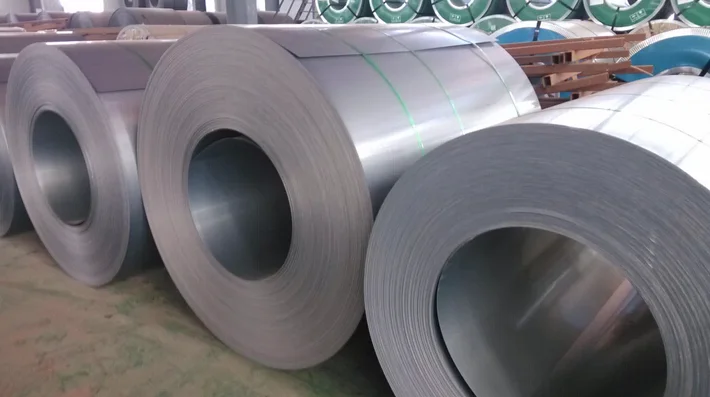
Generator Efficiency: Wind turbines use generators to convert the rotational energy of the turbine's blades into electrical energy. Oriented silicon steel cores in the generator's stator and rotor contribute to higher efficiency by minimizing core losses during the energy conversion process.
Reduced Energy Losses: The low core losses of oriented silicon steel cores help minimize energy losses during power conversion and transmission, resulting in more of the wind's kinetic energy being converted into usable electrical power.
Stable Voltage Regulation: Oriented silicon steel-based transformers ensure stable voltage levels in the wind turbine's electrical systems, contributing to consistent power output and efficient energy distribution.
Harmonic Mitigation: Wind turbines can introduce harmonics into the grid due to their variable and intermittent power generation. Transformers with oriented silicon steel cores help mitigate harmonics and ensure the quality of the generated power.
Smart Grid Integration: As wind energy is integrated into smart grids, oriented silicon steel-based transformers support efficient energy distribution and contribute to grid stability.
Improved Reliability: Oriented silicon steel cores help reduce heat generation within the generator and transformers, leading to improved equipment reliability and longer operational lifespans.
High-Frequency Applications: In some wind turbine systems, such as those with direct-drive generators, oriented silicon steel cores can be used to optimize high-frequency magnetic properties for efficient power conversion.
Energy Storage Integration: Oriented silicon steel-based equipment in energy storage systems enhances energy efficiency and supports the integration of wind energy into grid stabilization strategies.
Grid Integration Challenges: Wind energy can pose challenges for grid stability due to its intermittent nature. Efficient transformers with oriented silicon steel cores help manage grid fluctuations associated with varying wind conditions.
Offshore Wind Farms: In offshore wind farms, where maintenance can be challenging, reliable transformers with oriented silicon steel cores are essential for consistent power delivery and reduced maintenance requirements.
Hybrid Systems: Wind energy can be integrated with other renewable sources or energy storage systems to create hybrid energy solutions. Oriented silicon steel supports efficient energy conversion and integration within such hybrid setups.
Power Quality Improvement: Efficient energy conversion using oriented silicon steel-based transformers helps improve the power quality delivered to the grid, ensuring reliable and stable power supply.