


Non-Oriented Silicon Steel: Enhancing Power Generation
Aug 29, 2023
Leave a message
Non-oriented silicon steel plays a crucial role in enhancing power generation systems by improving the efficiency, reliability, and overall performance of various electrical components used in power generation. Here's how non-oriented silicon steel contributes to enhancing power generation:
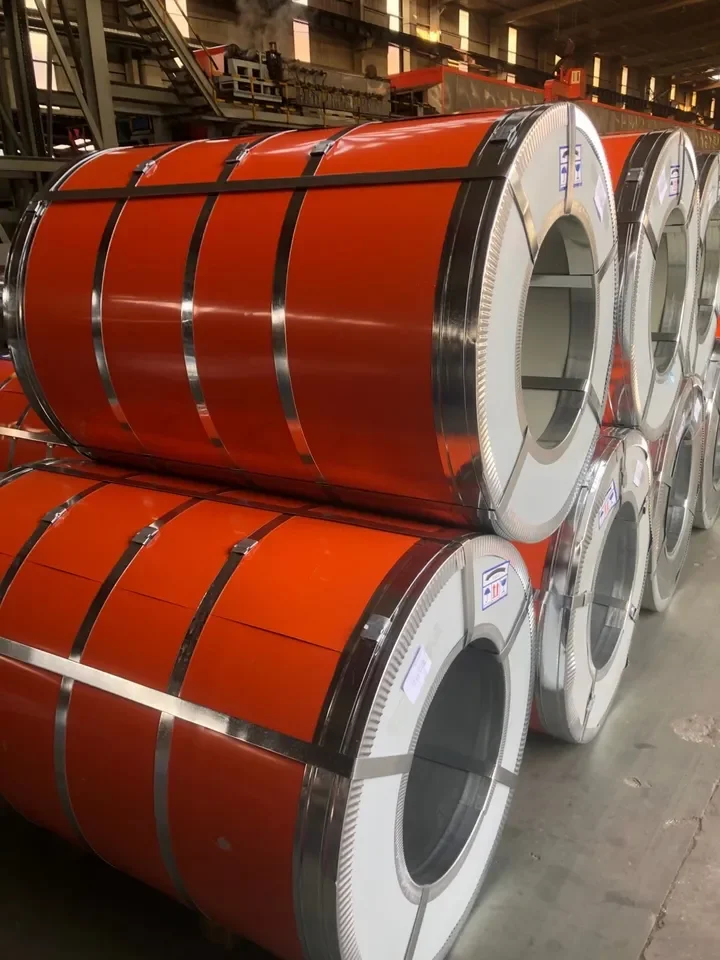
Generators and Alternators: Non-oriented silicon steel is a key material in the construction of generators and alternators used in power plants. It forms the core of these machines, where it helps minimize energy losses and improve magnetic properties, leading to higher overall efficiency.
Wind Turbine Generators: Wind turbines use non-oriented silicon steel in their generator cores to optimize energy conversion from wind power to electrical power. This material's low core loss and magnetic properties contribute to efficient energy extraction from the wind.
Hydroelectric Generators: In hydroelectric power plants, non-oriented silicon steel cores in generators enhance the conversion of mechanical energy from water movement into electrical energy.
Thermal Power Plants: Non-oriented silicon steel is used in electrical components of thermal power plants, including generators and transformers, to ensure efficient power generation and distribution.
Combined Cycle Power Plants: These power plants, which combine gas and steam turbines, utilize non-oriented silicon steel in their generators to enhance energy conversion efficiency.
Cogeneration Systems: Cogeneration systems, which simultaneously produce electricity and useful heat, benefit from non-oriented silicon steel cores in their generators for improved efficiency.
Geothermal Power Generation: Non-oriented silicon steel enhances the performance of generators used in geothermal power plants, contributing to efficient energy extraction from Earth's heat.
Solar Power Plants: While oriented silicon steel is preferred in high-efficiency solar applications, non-oriented silicon steel may find use in certain components of solar power plants, such as inverters and transformers.
Efficient Energy Conversion: Non-oriented silicon steel cores contribute to reducing energy losses during energy conversion processes, making power generation systems more efficient.
Renewable Energy Integration: Non-oriented silicon steel enables efficient integration of renewable energy sources like wind and hydroelectric power into the grid, promoting cleaner and more sustainable power generation.
Optimized Grid Connectivity: Power generated using non-oriented silicon steel-enhanced systems can be more reliably transmitted and distributed across the grid due to improved efficiency and stability.
Emergency Power Generation: In emergency backup generators, non-oriented silicon steel cores ensure quick and efficient energy conversion when primary power sources fail.
Microgrids: Non-oriented silicon steel contributes to the efficient operation of microgrids, smaller-scale power generation and distribution systems that can operate independently or in conjunction with the main grid.
Power Plant Upgrades: Incorporating non-oriented silicon steel-based components in power plants can lead to performance enhancements and increased capacity without the need for major infrastructure changes.
Power Quality: Non-oriented silicon steel helps maintain power quality by minimizing energy losses and voltage fluctuations, ensuring a stable and reliable energy supply.