


Advancements in Non-Oriented Silicon Steel Manufacturing
Aug 29, 2023
Leave a message
Advancements in non-oriented silicon steel manufacturing have led to improved magnetic properties, reduced energy losses, and enhanced performance of electrical components. These advancements are crucial for meeting the growing demands of energy-efficient electrical systems. Here are some notable advancements in non-oriented silicon steel manufacturing:
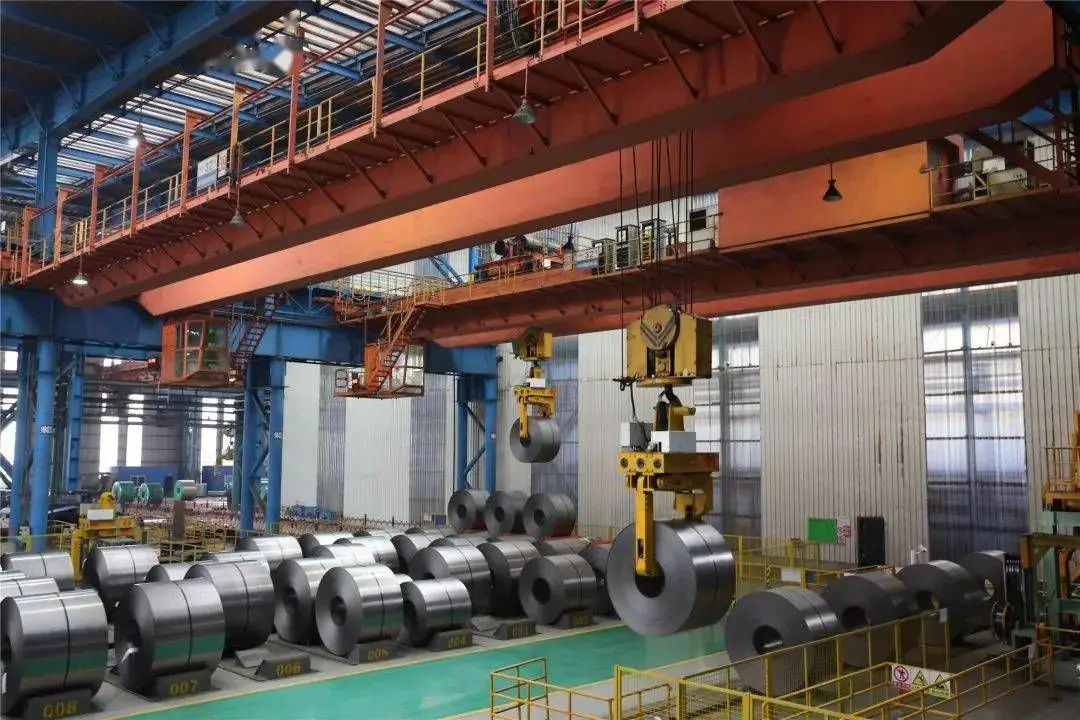
Material Composition and Processing: Innovative alloy compositions and refining processes have been developed to enhance the magnetic properties of non-oriented silicon steel, reducing core losses and increasing energy efficiency.
Grain Refinement Techniques: Techniques such as rapid solidification and controlled cooling are employed to refine the grain structure of the material, resulting in improved magnetic performance.
Thin Strip Production: Advances in strip casting technology allow the production of thinner non-oriented silicon steel strips. Thinner strips reduce eddy current losses and improve the material's energy efficiency.
Precision Stamping and Cutting: Advanced stamping and cutting methods ensure precise shaping of non-oriented silicon steel laminations, minimizing gaps and improving magnetic flux distribution.
Surface Coatings and Treatments: Specialized coatings and surface treatments are applied to reduce surface losses and enhance the material's magnetic behavior.
Lamination Bonding Techniques: Techniques such as adhesive bonding and laser welding are employed to bond laminations together, reducing inter-lamination losses and enhancing material performance.
Annealing Processes: Controlled annealing processes, such as stress relief annealing and magnetic annealing, optimize the material's magnetic properties and reduce losses.
Grain Alignment and Orientation: Methods to achieve uniform grain alignment and orientation are developed to enhance the material's performance in magnetic circuits.
Integrated Cooling Systems: Cooling systems integrated into the material design help manage heat generated during operation, improving magnetic properties and energy efficiency.
Simulation and Modeling: Computational tools and simulations are used to predict and optimize the magnetic behavior of non-oriented silicon steel under various conditions, aiding in material design.
Sustainable Manufacturing: Innovations focus on sustainable manufacturing practices, including efficient use of resources and reduced environmental impact.
Digital Manufacturing: Digitally controlled manufacturing processes enable precise control over material properties, resulting in consistent quality and performance.
Advanced Testing and Characterization: Improved testing methods, such as magnetic property measurements and loss analysis, ensure higher material quality and performance.
Customizable Magnetic Properties: Manufacturers can tailor the material's magnetic properties to specific applications, optimizing energy efficiency for different use cases.
Integration with Industry 4.0: Non-oriented silicon steel production can benefit from Industry 4.0 technologies like IoT, data analytics, and automation for real-time monitoring and quality control.
Additive Manufacturing: Exploring additive manufacturing techniques for non-oriented silicon steel allows for more complex shapes and customized components.
Quality Control: Advanced quality control methods, such as non-destructive testing, enhance the detection of defects and ensure consistent material properties.