


Global Transformer Price Trends And Market Insights
Nov 12, 2025
Leave a message
What Are the Current Global Transformer Price Trends?
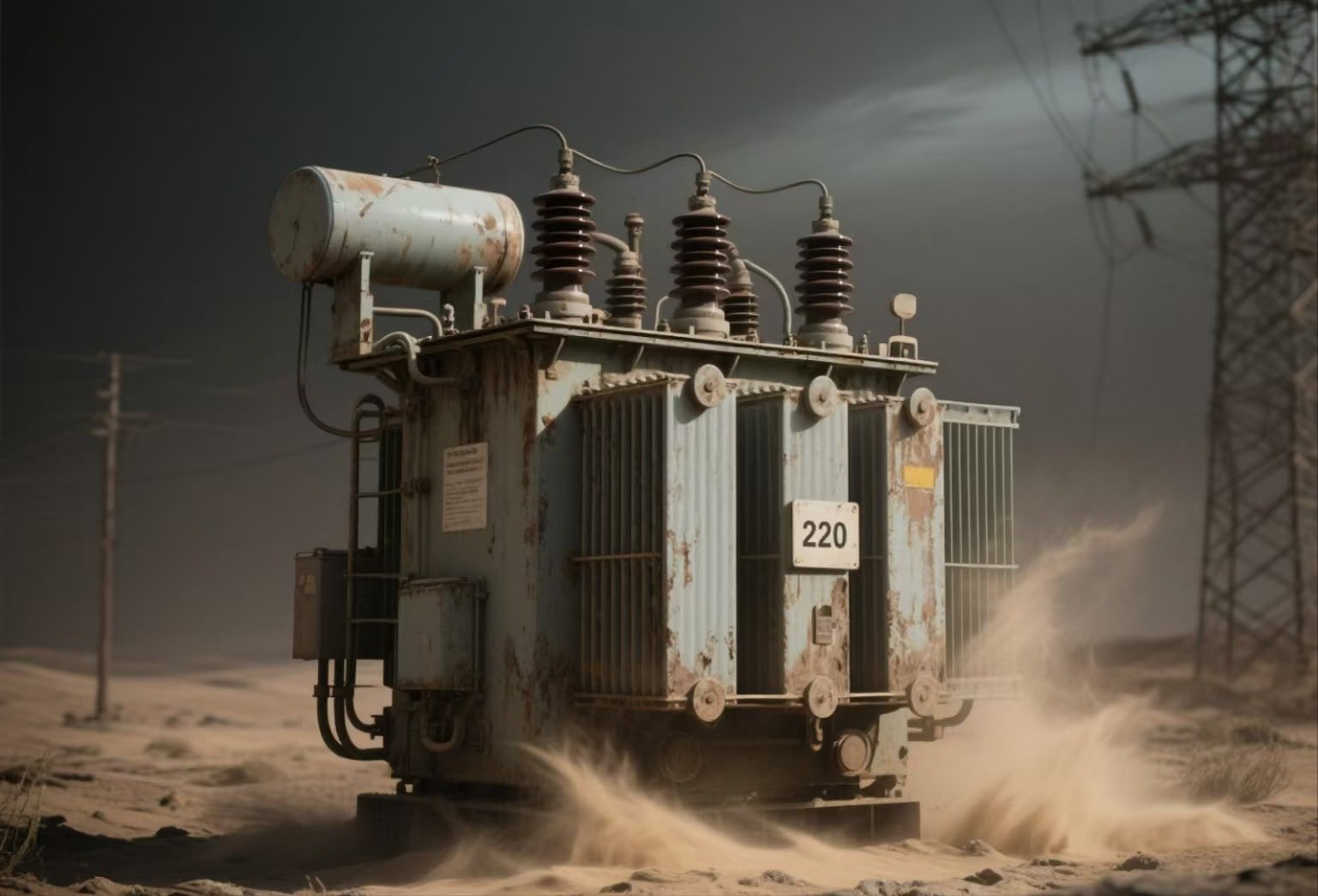
In the rapidly changing global energy market, transformer prices have become one of the most volatile and closely watched indicators of infrastructure investment costs. From renewable energy integration to grid expansion and smart substations, demand for transformers continues to grow - yet prices remain unpredictable. Many buyers, EPC contractors, and utilities are now asking:
What exactly is driving the global transformer price trend in 2025, and what should we expect moving forward?
In short, transformer prices have increased significantly in the past five years - largely due to rising raw material costs, supply chain constraints, and stricter efficiency standards. While some stabilization is emerging in late 2025, prices remain well above pre-2020 levels, with 2026 expected to maintain a "high but steady" pricing pattern.
Let's explore these trends in depth and understand what they mean for transformer buyers and manufacturers.
The Real Causes Behind Transformer Price Increases
Transformer pricing is fundamentally shaped by raw material costs, manufacturing complexity, logistics, and global demand patterns. Each of these elements has shown unprecedented fluctuation in recent years.
1. Raw Material Price Escalation
Copper and grain-oriented silicon steel (GO steel) together account for over 50% of a power transformer's material cost. Since 2020, copper prices have risen by over 70%, while electrical steel prices nearly doubled due to supply shortages and rising energy costs.
| Material | Share in Transformer Cost | Price Change (2020–2025) | Impact on Unit Cost |
|---|---|---|---|
| Copper | 35–40% | +70% | Major driver of cost escalation |
| Grain-Oriented Silicon Steel | 15–20% | +80–100% | Strong influence on core design pricing |
| Transformer Oil | 10–12% | +45% | Moderate but continuous effect |
| Insulation (Paper, Resin) | 5–8% | +30% | Small but cumulative |
| Hardware & Labor | 20–25% | +25% | Regional variation |
This surge means that even identical transformer designs today cost 60–90% more than in 2020.
2. Supply Chain Disruption and Long Lead Times
Global transformer production capacity has been under severe pressure. Lead times that used to be 6–8 months before 2020 have extended to 18–36 months for large MVA units. Factors include:
Global shortage of GO steel from limited suppliers.
High freight rates and port delays.
Energy cost inflation affecting foundries and winding plants.
Labor shortages in heavy manufacturing regions.
This capacity bottleneck has made spot procurement difficult, pushing prices even higher.
How Efficiency and Design Regulations Affect Prices
Transformer pricing is not just about materials; international standards and eco-design requirements now add extra cost layers.
IEC 60076 and EU EcoDesign Tier 2 standards require lower load and no-load losses.
Higher efficiency means using more copper and higher-grade steel.
Environmental standards require biodegradable oils and flame-retardant designs, both more expensive than traditional materials.
For example, upgrading a 20 MVA transformer from standard efficiency to EcoDesign Tier 2 can increase the price by 8–12%, but it reduces annual losses by up to 20–25 MWh - saving roughly $15,000–$25,000 per year in energy cost, depending on region.
| Transformer Rating | Standard Efficiency (USD/kVA) | EcoDesign Tier 2 (USD/kVA) | Efficiency Improvement |
|---|---|---|---|
| 5 MVA / 33 kV | 38–45 | 42–50 | +8% |
| 20 MVA / 66 kV | 35–42 | 39–47 | +10% |
| 100 MVA / 220 kV | 28–35 | 32–40 | +12% |
Regional Price and Market Differences
Transformer prices vary sharply across regions due to differences in labor, logistics, tariffs, and manufacturing base.
| Region | Average 33 kV Distribution Transformer (USD/kVA) | Average 132 kV Power Transformer (USD/kVA) | Key Price Drivers |
|---|---|---|---|
| Asia (China, India) | 28–35 | 25–32 | Large-scale local manufacturing, lower labor |
| Middle East & Africa | 32–40 | 30–38 | Logistics and import tariffs |
| Europe | 38–48 | 35–45 | Energy cost, stricter efficiency norms |
| North America | 40–50 | 38–47 | Labor cost, domestic content rules |
The lowest global manufacturing cost base remains in South and East Asia, but rising local demand has reduced the export price advantage compared to 2022–2023.
Impact of Market Demand and Energy Transition
The energy transition has created unprecedented demand for new transformers:
Renewable integration (wind and solar step-up transformers).
EV charging and data center infrastructure.
Replacement of aging grid assets in developed countries.
In 2025, the global transformer demand growth is estimated at 7–9% annually, while supply capacity expansion lags behind at only 3–4%. This imbalance keeps global prices elevated despite some material price stabilization.
The Future Price Outlook (2026–2030)
While short-term stability may appear by late 2026, several trends will keep prices above historical averages:
Energy infrastructure expansion will sustain high demand.
Material volatility (especially copper) remains unpredictable.
New digital monitoring systems and smart sensors will add 3–5% to unit cost.
Environmental regulations will push manufacturers to adopt higher-cost biodegradable oils.
| Year | Estimated Average Price Growth (YoY) | Market Trend Description |
|---|---|---|
| 2023 | +20–25% | Sharp rise due to raw material inflation |
| 2024 | +15% | Supply chain tightness continues |
| 2025 | +8–10% | Moderate growth, stabilization phase |
| 2026 | +3–5% | Gradual normalization |
| 2027–2030 | ±2–4% | Stable but high baseline maintained |
Key Insights for Buyers
Plan ahead - long lead times mean earlier procurement ensures better price locking.
Compare total lifecycle cost, not just purchase price.
Request transparent material cost breakdowns from suppliers.
Opt for standardized designs to avoid customization surcharges.
Consider hybrid sourcing - domestic assembly with imported core materials.
How Do Material and Manufacturing Costs Impact Power Transformer Prices?
In today's global energy infrastructure market, the price of a power transformer is primarily dictated by its material composition and manufacturing process efficiency. These two cost pillars determine more than 70% of the total unit cost - and directly influence how suppliers quote and how buyers should plan their budgets. Rising copper, steel, and energy prices in recent years have pushed transformer costs upward worldwide, while technological improvements and advanced automation have helped offset some of these pressures.
In essence, transformer prices are highly sensitive to fluctuations in copper, steel, insulation materials, labor, and manufacturing complexity. Understanding how each of these elements interacts is key to evaluating quotations and ensuring fair, value-based procurement.
The Breakdown: What Materials Drive Transformer Cost?
A typical power transformer contains a complex mix of conductive, magnetic, insulating, and structural materials, each contributing differently to performance and pricing.
| Material Category | Example Components | Typical Share of Total Cost | Price Sensitivity | Impact on Final Price |
|---|---|---|---|---|
| Conductors | Copper or aluminum windings | 30–40% | Very High | Determines electrical efficiency and loss level |
| Magnetic Core | Grain-oriented silicon steel (GO steel) | 15–20% | High | Affects no-load losses and magnetic flux density |
| Insulation System | Kraft paper, pressboard, resin, or Nomex | 8–12% | Moderate | Influences dielectric strength and longevity |
| Transformer Oil | Mineral or natural ester fluids | 8–10% | Moderate | Impacts cooling and insulation properties |
| Structural & Hardware | Tank, radiators, bushings, fasteners | 10–15% | Medium | Affects durability and heat dissipation |
| Labor & Testing | Assembly, winding, QA testing | 8–12% | Variable (regional) | Defines build quality and reliability |
This means that a 10% rise in copper prices alone can increase the total transformer cost by 3–5%, depending on rating and design type.
The Influence of Copper and Aluminum
The choice of conductor material-copper or aluminum-has one of the most direct impacts on both cost and performance.
Copper windings are preferred for their superior conductivity, mechanical strength, and compact design. However, copper prices have risen from around $6,000/ton in 2020 to over $10,000/ton in 2025, creating substantial cost inflation.
Aluminum windings reduce initial costs by 20–30%, but require larger cross-sections and more winding volume, increasing tank size and oil use.
| Conductor Material | Relative Cost | Efficiency (Load Loss) | Weight | Durability |
|---|---|---|---|---|
| Copper | 100% (baseline) | Excellent | Compact | High |
| Aluminum | ~70–80% | Good | Bulkier | Moderate |
Therefore, aluminum designs are often used in distribution transformers, while copper remains dominant in high-voltage power transformers where energy losses and load cycles are more critical.
Silicon Steel: The Core of Price Volatility
The magnetic core, typically made of grain-oriented silicon steel, controls the no-load losses of a transformer. High-grade steels (e.g., Hi-B or domain-refined grades) are essential for achieving IEC 60076 efficiency levels but have become a major cost factor due to limited global supply.
Manufacturers face constraints because only a handful of producers (e.g., Nippon Steel, POSCO, and Thyssenkrupp) supply premium GO steel. When these mills raise prices or face capacity shortages, transformer prices increase globally.
A 1% improvement in steel loss performance can raise material cost by 3–4%, but it reduces no-load losses over the transformer's life by more than 10%, leading to significant energy savings.
The Manufacturing Factor: Labor, Energy, and Process Complexity
While materials dominate cost, manufacturing efficiency is equally crucial. Transformer production involves precision processes such as:
Core stacking and annealing
Winding tension control
Vacuum drying and oil impregnation
Tank fabrication and leak testing
Routine and type testing (as per IEC/IEEE standards)
Energy consumption, skilled labor, and automation level all influence cost. Factories in regions with higher energy and labor rates (e.g., Europe, North America) typically have 10–20% higher production costs than those in Asia, even when using identical materials.
| Manufacturing Location | Average Labor Cost Share | Energy Cost Impact | Typical Unit Cost Index (Base = Asia = 1.0) |
|---|---|---|---|
| Asia (China, India, Vietnam) | 8–10% | Low | 1.00 |
| Middle East | 10–12% | Medium | 1.10 |
| Europe | 12–18% | High | 1.20 |
| North America | 15–20% | High | 1.25 |
Energy Efficiency and Manufacturing Precision
Modern manufacturing technologies such as laser-cut core lamination, CNC coil winding, and vacuum drying automation have significantly improved consistency and energy efficiency.
These innovations reduce rework, oil leakage risk, and material waste - but they also increase upfront equipment costs for manufacturers.
Buyers benefit in the long run: a transformer produced with tighter tolerances and lower losses will pay back its higher purchase price through lower operational energy loss.
For example:
A 10 MVA transformer with 0.1% lower load loss can save up to $8,000 per year in energy cost at $0.12/kWh.
Over a 25-year service life, that equals $200,000 in total savings, easily offsetting a 5–10% higher purchase price.
The Supply Chain and Logistics Element
Material cost isn't just the raw purchase - it also includes transportation, tariffs, and inventory management.
Large power transformers (above 40 MVA) are expensive to move due to size and weight; a single shipment can cost $20,000–$80,000 depending on distance and packaging method.
Furthermore, disruptions in supply chain logistics - such as port congestion, container shortages, or higher fuel costs - add 5–10% to total landed price.
Regional sourcing and early logistics planning can mitigate these hidden expenses.
Which Regions Are Experiencing the Most Price Fluctuations in Power Transformer Markets?
In the post-pandemic industrial landscape, power transformer pricing has become one of the most regionally volatile segments in the electrical equipment industry.
While global inflation and raw material costs remain universal drivers, the scale and speed of price fluctuations differ significantly between regions - depending on manufacturing capacity, logistics costs, regulatory environments, and local demand growth.
In short, Asia-Pacific and Europe currently experience the most significant price fluctuations, while North America and the Middle East face moderate volatility, and Africa shows slower but rising cost pressure.
Understanding these regional differences helps buyers make informed sourcing and timing decisions when planning large-scale transformer procurements.
The Global Price Map: A 2025 Overview
| Region | Average 33 kV Transformer Price (USD/kVA) | Average 132–220 kV Transformer Price (USD/kVA) | 2024–2025 Price Change (%) | Volatility Level | Key Factors |
|---|---|---|---|---|---|
| Asia-Pacific | 28–38 | 25–35 | +15% to +25% | 🔺 High | Copper price volatility, export surge, energy cost spikes |
| Europe | 38–50 | 35–45 | +20% to +30% | 🔺 High | Energy crisis, labor cost, EcoDesign standards |
| North America | 40–50 | 38–47 | +10% to +15% | ⚠️ Medium | Domestic content rules, supply backlog |
| Middle East | 32–40 | 30–38 | +8% to +12% | ⚠️ Medium | Import dependency, logistics surcharges |
| Africa | 30–38 | 28–35 | +5% to +10% | 🟢 Low–Moderate | Infrastructure-driven demand, currency risk |
1. Asia-Pacific: The Epicenter of Global Price Shifts
Asia-Pacific remains the world's largest manufacturing hub for transformers, led by China, India, South Korea, and Vietnam. However, the same dominance exposes the region to the greatest price swings when raw materials or energy costs change.
Key Influences
Copper and steel dependency: China and India import large volumes of refined copper and grain-oriented silicon steel (GO steel). Small market shifts in global copper prices create immediate local ripple effects.
Export-driven demand: With export orders surging for renewable energy and grid modernization projects, domestic supply tightens, pushing local prices up.
Energy cost volatility: Rising coal and LNG prices increase production and heat-treatment costs for foundries and core manufacturers.
For example, a 20 MVA, 33/11 kV oil-immersed transformer that cost around $600,000 in 2021 can now reach $950,000–$1,000,000 in 2025, depending on material procurement timing.
2. Europe: Efficiency and Energy Costs Fuel Uncertainty
Europe faces dual challenges - rising energy prices and stringent environmental standards.
After the 2022–2023 energy crisis, transformer manufacturing costs soared due to increased electricity tariffs for steelmaking, heat treatment, and vacuum drying processes.
Additional Factors
EU EcoDesign Tier 2 requirements mandate higher efficiency levels, increasing copper and steel consumption by 5–10%.
Labor shortages and wage inflation add another 10–15% to production costs.
Logistics and regional taxes vary sharply across EU borders.
As a result, European transformer prices are among the highest globally and most sensitive to energy cost volatility.
In 2025, quotes for 63 MVA / 132 kV units range between $1.4–1.8 million, depending on country and efficiency grade.
3. North America: Supply Bottlenecks and Domestic Content Policies
The North American market, particularly the United States, has faced severe shortages of large power transformers due to:
Long lead times (often 18–36 months).
Import restrictions and domestic content regulations under the Infrastructure Investment and Jobs Act (IIJA).
Limited domestic steel lamination capacity.
While raw material costs are relatively stable, policy-driven constraints make pricing volatile. A transformer that would have cost $900,000 in 2020 now commands $1.4 million or more, with suppliers including escalation clauses for copper and transport costs.
However, the volatility here is policy-driven rather than material-driven, differentiating it from Asia and Europe.
4. Middle East: Logistics and Import Dependencies
Most Middle Eastern nations rely heavily on imports for both transformers and key raw materials.
The result is moderate but persistent price fluctuations, influenced by:
Freight costs (especially via Red Sea and Gulf routes).
Import tariffs and local currency-dollar exchange rates.
Project-based demand from oil, gas, and renewable sectors.
Because of relatively stable domestic policies and smaller-scale local manufacturing, price swings are milder than in Asia or Europe but still meaningful when global shipping rates fluctuate.
5. Africa: Rising Demand Meets Emerging Market Risks
Africa's transformer market is still small compared to Asia or Europe, but it's growing fast, driven by grid expansion and electrification projects.
Local assembly and regional sourcing (from Egypt, South Africa, and Kenya) are emerging, but most high-voltage units are imported.
Key risks include:
Currency depreciation, making imports more expensive.
Shipping delays and port congestion.
Limited supplier competition, reducing price stability.
Overall volatility is lower in absolute terms, but relative impact on budgets is high due to currency and financing challenges.
Regional Volatility Comparison
| Region | Main Volatility Drivers | Price Risk Outlook (2026–2030) |
|---|---|---|
| Asia-Pacific | Material costs, export surge | High - continues through 2027 |
| Europe | Energy prices, labor inflation | High - stabilizing after 2026 |
| North America | Domestic policy, supply limits | Medium - easing as new plants open |
| Middle East | Freight and import duties | Medium |
| Africa | Currency risk, logistics | Medium–Low |
Global Insight: The Interconnected Market
The transformer market is now globally synchronized - a steel mill disruption in Japan, a copper strike in Chile, or a freight spike in the Suez Canal can raise transformer prices in multiple continents within weeks.
Buyers and EPCs managing multinational projects should therefore adopt multi-region sourcing strategies, price index monitoring, and contractual escalation clauses to mitigate exposure.
What Role Do Energy and Infrastructure Projects Play in Driving Power Transformer Prices?
Power transformers are at the core of every modern energy and infrastructure expansion - from national grid upgrades to renewable energy integration. As countries race toward electrification, the demand for high-voltage transformers has surged, straining manufacturing capacity and global supply chains. This surge in large-scale energy and infrastructure projects has become one of the most powerful drivers of transformer price inflation over the last five years.
In essence, major energy and infrastructure projects - such as renewable integration, grid expansion, industrial electrification, and smart city development - directly push transformer prices higher by increasing demand, tightening lead times, and driving up material, labor, and compliance costs across the supply chain.
As the global energy transition accelerates, understanding how these projects influence pricing helps buyers anticipate costs, negotiate contracts wisely, and plan procurement more strategically.
1. Energy Transition and Renewable Integration: The Primary Demand Catalyst
Over 70% of new grid investments between 2024 and 2030 are tied to renewable energy projects - solar farms, onshore/offshore wind, and hybrid plants.
Each of these installations requires step-up and interconnection transformers rated between 33 kV and 400 kV to connect renewable generation to transmission networks.
| Project Type | Typical Transformer Rating | Quantity per 100 MW Project | Average Transformer Cost (USD) | Cost Increase (2020–2025) |
|---|---|---|---|---|
| Solar PV Farm | 33/132 kV, 50–100 MVA | 1–2 | $800,000–$1,200,000 | +25–35% |
| Onshore Wind Farm | 66/220 kV, 60–120 MVA | 1–3 | $1.0–1.6 million | +30–40% |
| Offshore Wind | 132/400 kV, 200–300 MVA | 1+ offshore + 1 onshore | $3.0–6.0 million | +35–45% |
| Hydro Project | 11/220 kV, 50–200 MVA | 1–4 | $1.0–3.0 million | +20–30% |
This sharp increase in renewable projects has created a persistent supply-demand imbalance, particularly for high-MVA and high-efficiency models.
2. Transmission Grid Expansion and Modernization Projects
Governments and utilities worldwide are upgrading aging infrastructure to reduce losses, improve resilience, and accommodate renewable power.
In North America and Europe alone, over $1.2 trillion in grid investment is projected by 2030.
This includes replacing outdated transformers, expanding substation capacity, and building new interconnections.
Key impacts on transformer pricing include:
Bulk tenders drive material shortages - large multi-country procurement programs (e.g., EU's TEN-E or India's Gati Shakti) create regional bottlenecks in steel and copper.
Higher specifications - utilities now demand EcoDesign Tier 2 or DOE 2027-compliant transformers, which use 10–15% more copper and better-grade steel.
Tight lead times - delivery expectations of under 12 months for 100+ MVA units force manufacturers to prioritize orders with premium pricing.
For example, the U.S. Grid Resilience and Innovation Partnership (GRIP) program alone has raised average 230 kV transformer prices by over 40% since 2021.
3. Industrial Electrification and Infrastructure Development
Beyond utilities, industrial expansion and infrastructure projects are key contributors to transformer demand.
From data centers to electric vehicle (EV) charging corridors, large factories, and rail networks, each sector consumes medium-to-large transformers in high numbers.
| Sector | Voltage Range | Typical Transformer Size | Annual Market Growth (2024–2030) | Pricing Sensitivity |
|---|---|---|---|---|
| EV Charging Infrastructure | 11–33 kV | 1–10 MVA | 18% | High |
| Data Centers | 11–66 kV | 2–50 MVA | 12% | High |
| Rail Electrification | 33–132 kV | 10–100 MVA | 10% | Medium |
| Smart City & Infrastructure | 6–33 kV | 0.5–20 MVA | 15% | Medium |
4. Regional Impact Analysis: How Project Density Affects Prices
The following chart highlights how regional project intensity correlates directly with transformer price growth between 2020 and 2025:
| Region | Major Project Drivers | Transformer Price Growth (2020–2025) | Project Density (Index 1–5) |
|---|---|---|---|
| Asia-Pacific | Renewable expansion (China, India), Smart Grid | +35–50% | 5 |
| Europe | Offshore wind, Grid modernization | +30–45% | 4 |
| North America | Grid resilience, Data centers, EV charging | +25–40% | 4 |
| Middle East | Industrial diversification, Solar hubs | +15–25% | 3 |
| Africa | Electrification, Hydro expansion | +10–20% | 2 |
Thus, the regions with the most active infrastructure programs - particularly Asia-Pacific and Europe - are also seeing the steepest transformer cost escalation.
5. Indirect Effects: Policy, Financing, and Lead Times
Energy and infrastructure projects not only raise immediate demand but also influence:
Policy and specification changes - stricter national efficiency and safety codes raise manufacturing complexity.
Financing and insurance requirements - bankable projects often mandate IEC, IEEE, or ISO certifications, increasing compliance costs.
Lead time compression - urgent project timelines force premium procurement, adding 5–15% to total cost.
Manufacturers, meanwhile, must secure long-term supply contracts for copper, electrical steel, and insulating oil - locking in higher base costs to ensure reliability and warranty coverage.
6. Looking Forward: 2025–2030 Outlook
The next decade will continue to see transformer price inflation tied directly to infrastructure acceleration:
Asia and Europe: sustained grid modernization and offshore wind expansion will keep demand high.
North America: local manufacturing investment may stabilize costs after 2026.
Developing regions: electrification projects will gradually shift demand to Africa and Southeast Asia, diversifying supply chains.
However, the global transformer industry still faces a 2–3 year manufacturing backlog, meaning price pressure is unlikely to ease before 2027.
How Are Supply Chain and Logistics Challenges Affecting Power Transformer Prices?
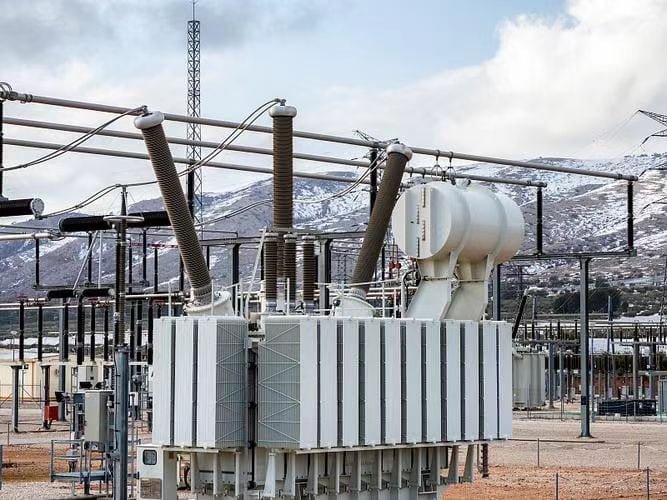
In recent years, power transformer prices have surged not only because of material and energy costs but also due to supply chain and logistics disruptions. From global shipping bottlenecks to shortages in critical raw materials, every stage of the production and delivery chain now influences transformer pricing more than ever.
As projects become increasingly international, and as transformer units grow in size and complexity, the impact of supply chain inefficiencies, freight cost volatility, and logistical constraints can account for up to 20–30% of the total transformer cost in 2025.
In essence, modern supply chain and logistics challenges - including raw material shortages, port congestion, freight rate inflation, and extended lead times - are driving transformer prices higher and making procurement timing a decisive factor in project economics.
Understanding how these factors interplay enables EPC contractors, utilities, and industrial buyers to anticipate potential delays and manage budget risks more effectively.
1. Global Raw Material Supply Chain Constraints
Power transformers rely on several critical materials - copper, electrical steel, core laminations, insulation paper, and transformer oil - all of which have faced severe global supply pressures since 2021.
| Material | Key Suppliers (Region) | 2020–2025 Price Change (%) | Impact on Transformer Cost (%) | Key Cause of Volatility |
|---|---|---|---|---|
| Copper | Chile, China, South Africa | +55–70% | +10–15% | Mining bottlenecks, green tech demand |
| Electrical Steel (GO) | Japan, Korea, Germany | +80–100% | +15–20% | Limited mill capacity, export quotas |
| Transformer Oil | Middle East, India | +40–60% | +5–10% | Refinery disruptions, transport costs |
| Insulation Materials | USA, China | +20–30% | +2–5% | Resin shortages, energy prices |
Manufacturers often rely on long-term contracts with steel and copper suppliers, but when supply disruptions occur - as seen during the pandemic and the 2022–2023 logistics crisis - production schedules slip, and prices rise.
2. Freight and Transportation: The Hidden Cost Escalator
Transporting large power transformers (weighing 50–250 tons) is an engineering feat that involves specialized trailers, cranes, port handling, and heavy-load vessels.
Freight costs have skyrocketed due to limited capacity and rising fuel prices.
| Logistics Stage | 2020 Average Cost (USD) | 2025 Average Cost (USD) | Increase (%) |
|---|---|---|---|
| Sea Freight (40 ft container equivalent) | $1,500 | $4,000 | +167% |
| Heavy-Lift Shipping (100–200 ton transformer) | $25,000 | $60,000 | +140% |
| Land Transport (per km, oversized cargo) | $2.5/km | $4.2/km | +68% |
These increased logistics expenses add 5–12% to total transformer pricing, particularly for exported units.
Delays at congested ports - like Rotterdam, Singapore, or Los Angeles - also cause project cost overruns due to demurrage and storage fees.
3. Extended Lead Times and Supply Chain Complexity
The transformer supply chain is multi-tiered and globally distributed.
A typical 100 MVA transformer includes components sourced from 10–15 countries, including:
Copper windings (Chile or China)
Electrical steel laminations (Japan or Germany)
Bushings and tap changers (Switzerland or India)
Insulating oil (Middle East or Singapore)
This global interdependence means that disruptions in any region - a port strike in Europe, a copper export ban in Africa, or a shipping delay in Asia - can delay entire production runs.
Lead times that once averaged 6–8 months can now extend to 14–18 months, especially for high-voltage units (>220 kV).
Manufacturers must compensate by maintaining inventory buffers or rescheduling production, increasing overhead and pushing unit prices higher.
4. Regional Impact Analysis: Supply Chain Volatility Map
| Region | Main Supply Chain Challenges | Logistics Cost Share (%) | Lead Time (2025) | Price Impact Level |
|---|---|---|---|---|
| Asia-Pacific | Material shortages, export congestion | 10–15% | 12–16 months | 🔺 High |
| Europe | Energy cost, port backlog | 12–18% | 10–14 months | 🔺 High |
| North America | Component imports, limited trucking | 8–12% | 14–20 months | ⚠️ Medium |
| Middle East | Import dependency | 6–10% | 10–12 months | ⚠️ Medium |
| Africa | Port congestion, customs delays | 5–9% | 12–18 months | ⚠️ Medium–High |
These regional variations show how freight infrastructure and import dependencies directly translate to price volatility.
For example, a transformer made in India or China may initially be cheaper in factory cost, but final delivered pricing can be 20–25% higher once logistics and insurance are included.
5. Impact of Regulatory and Customs Procedures
Besides physical transportation, customs clearance and trade compliance also create hidden cost layers:
Country-specific inspection requirements (IEC or ISO compliance checks).
Local taxes and duties (5–15% import tariffs in some regions).
Insurance surcharges for maritime risk or inland transit.
These administrative costs can add up to 7% to the CIF (Cost, Insurance, Freight) value and cause unpredictable delivery delays, especially in developing markets where customs processing remains manual.
6. The Domino Effect: Supply Chain Bottlenecks to End-User Pricing
Each delay in one stage of the supply chain compounds the next - forming a cost cascade:
Raw Material Delay → Higher procurement cost and production backlog
Component Shortage → Factory idle time, reduced output
Shipping Congestion → Storage and rescheduling costs
Delivery Delay → Project penalties and warranty risk
The result: transformers that once cost $400,000 can now exceed $600,000 under unfavorable logistics conditions.
Large utility tenders now include price-escalation clauses to account for these unpredictable fluctuations.
7. Mitigation Strategies for Buyers
To manage the cost impact of supply chain disruptions, professional buyers are adopting several strategic approaches:
Early procurement planning - placing orders 9–12 months before installation to secure production slots.
Multi-region sourcing - splitting supply between domestic and international manufacturers to balance logistics risk.
Escalation clauses - linking payment schedules to verified copper, steel, or freight indices.
Local assembly agreements - building partial manufacturing capacity closer to project sites to reduce freight dependence.
8. Outlook 2025–2030: The Path Toward Supply Chain Resilience
The transformer industry is investing heavily in regional manufacturing and digital logistics tracking to reduce future volatility:
Local fabrication hubs are expanding in the Middle East, Eastern Europe, and Southeast Asia.
AI-based logistics platforms are improving shipment tracking and predictive maintenance.
Circular supply chain models - recycling copper and steel - may reduce raw material dependency by 10–15%.
However, full stabilization is expected only by 2028–2030, as global freight networks normalize and manufacturing capacity catches up with energy transition demand.
What Can Buyers Expect in Future Market Developments for Power Transformers?
As the world accelerates its energy transition, the power transformer market is entering a new era of technological, economic, and structural change.
Buyers, EPCs, and utilities face a dynamic landscape shaped by digital manufacturing, green material standards, regulatory evolution, and shifting global supply chains.
These forces will not only transform how transformers are produced and specified but also how they are priced, purchased, and maintained.
In short, buyers can expect the future power transformer market to be characterized by smarter designs, stricter standards, regionalized production, and higher upfront costs offset by better efficiency, reliability, and lifecycle value.
Anticipating these developments today is crucial for cost planning, technical specification, and long-term investment strategy in large infrastructure projects.
1. Digital Manufacturing and Smart Supply Chains
The next decade will see transformer manufacturing evolve into Industry 4.0-enabled production, combining AI, robotics, and predictive quality systems.
Digital twins, machine learning–driven winding optimization, and automated core stacking are already being adopted by leading OEMs in Europe, China, and North America.
| Digital Innovation | Benefit for Buyers | Expected Market Impact (2025–2035) |
|---|---|---|
| AI-based Design Optimization | Reduces design errors, improves energy efficiency | +5–10% reduction in material waste |
| Robotic Coil Winding | Enhances consistency and reduces lead time | +10–15% faster production cycles |
| Digital Twin Technology | Enables lifetime monitoring and predictive maintenance | +20% improvement in reliability |
| Blockchain in Supply Chain | Improves traceability and component authenticity | Increased buyer confidence in quality and origin |
Digitalization will shorten lead times, stabilize pricing, and give buyers real-time visibility into production and logistics, reducing uncertainty that currently inflates project costs.
2. Sustainability and Green Material Transition
The next generation of transformers will move toward eco-friendly insulation oils, recyclable cores, and low-carbon materials.
Regulatory and environmental pressure will drive this change - particularly in the EU, Japan, and Canada - where lifecycle CO₂ emissions are becoming part of transformer specifications.
| Sustainability Feature | Impact on Cost (Short-Term) | Impact on Lifecycle (Long-Term) | Adoption Timeline |
|---|---|---|---|
| Natural/Biodegradable Ester Oils | +10–15% higher material cost | +30% longer service life | 2025–2030 |
| Amorphous Core Steel | +8–12% higher cost | −20–25% energy losses | 2025–2035 |
| Recycled Copper & Steel | Neutral | Reduces carbon footprint | 2026–2032 |
| EcoDesign Tier 3 Compliance | +5–8% production cost | Higher efficiency, lower loss | 2027 onward |
Buyers should expect slightly higher upfront prices, but these will be compensated by lower lifetime energy losses, reduced maintenance, and compliance with future carbon regulations - all vital in ESG-sensitive projects.
3. Regionalization of Manufacturing and Supply Chains
The transformer industry is shifting from globalized to regionalized production to mitigate logistics risk and geopolitical tension.
Manufacturing hubs are emerging in Southeast Asia, Eastern Europe, the Middle East, and Latin America to serve local markets with reduced freight dependency.
| Region | Emerging Trend | Buyer Benefit |
|---|---|---|
| Asia-Pacific | Vertical integration (steel + transformer plants) | Shorter material chain, stable pricing |
| Europe | Regional assembly for renewable projects | Reduced shipping cost, compliance with EU origin rules |
| North America | Onshoring under IIJA and IRA programs | Domestic content qualification, faster service |
| Middle East & Africa | Local manufacturing partnerships | Lower import duties and freight exposure |
Buyers will benefit from shorter delivery distances and reduced shipping costs, but may also face region-specific standards or qualification procedures that slightly extend procurement times.
4. Market Pricing Trends: Stabilization with Differentiation
Between 2021 and 2024, transformer prices rose sharply - sometimes by over 50%.
However, as new production capacity and digital processes mature, the market is expected to stabilize gradually from 2026 onward.
That said, pricing differentiation will increase based on specification, efficiency level, and region.
| Product Segment | 2025–2030 Price Trend | Key Driver |
|---|---|---|
| Standard Distribution Transformers | Stable (±5%) | Automation, regional capacity |
| High-Voltage (>132 kV) Transformers | Moderate rise (+10–15%) | Renewable grid demand |
| Ultra-High Voltage (>400 kV) | High (+20–25%) | Limited global manufacturing capability |
| Green/Eco-Design Models | Gradual rise (+10–12%) | Sustainability compliance |
In short, while specialized and high-voltage units will remain costly, standard models will see price normalization due to technological efficiency and regional supply diversification.
5. Integration with Smart Grids and Digital Monitoring Systems
Future power networks demand transformers that are not only reliable but also intelligent.
Digital sensors, IoT modules, and online diagnostic systems will become standard features in transformers above 10 MVA.
These systems enable:
Real-time performance monitoring (temperature, oil quality, load).
Predictive maintenance based on AI analytics.
Remote control integration with SCADA and smart grid systems.
For buyers, this means higher initial investment but significantly reduced downtime and maintenance costs.
By 2030, over 60% of new power transformers are expected to feature integrated monitoring and data communication systems.
6. Regulatory and Efficiency Evolution: IEC, IEEE, and Local Standards
Buyers should also anticipate continuous tightening of efficiency, testing, and environmental standards:
IEC 60076 series will expand to include digital monitoring protocols and eco-design metrics.
IEEE C57 will integrate AI-based fault prediction and online data logging standards.
Regional regulations (EU, US DOE, China GB) will push for mandatory loss reduction targets of up to 20% by 2030.
Compliance with these evolving standards will add short-term costs but ensure interoperability, insurance eligibility, and export readiness.
7. Long-Term Buyer Outlook: 2030 and Beyond
| Factor | Buyer Impact | Expected Trend |
|---|---|---|
| Material Costs | Moderate reduction post-2027 | Stabilizing due to recycling and local mining |
| Lead Times | Shorter (8–10 months avg.) | Improved digital logistics |
| Product Lifespan | +20% increase | Enhanced design and insulation tech |
| Lifecycle Cost | Lower TCO | Energy-efficient and monitored units |
| Market Competition | Higher | Regional entrants and innovation |
Buyers in the coming decade will move from cost-based procurement toward value-based selection, focusing on long-term reliability, digital compatibility, and environmental compliance over just upfront price.
Conclusion
Transformer prices worldwide are shaped by multiple economic and technical factors, from raw material costs to regional energy demands. While short-term fluctuations are influenced by supply chain pressures and global inflation, long-term trends point toward efficiency-driven designs and sustainable materials. By understanding these dynamics, buyers can plan strategically, negotiate better, and ensure reliable power solutions in an evolving global market.