


Installation Requirements and Foundation Design for 315kVA Liquid-Immersed Transformer
Feb 04, 2026
Leave a message
As a critical component in medium-power electrical distribution systems, the 315kVA Liquid-Immersed Transformer relies heavily on scientific installation and robust foundation design to ensure operational safety, efficiency, and longevity. Its liquid cooling and insulation system demands strict adherence to industry standards and technical specifications during setup, from site selection to foundation construction.
This article details the core installation requirements and foundation design criteria for the 315kVA Liquid-Immersed Transformer, aligned with international standards such as IEC 60076, ANSI C57.12.00, and relevant industry best practices.
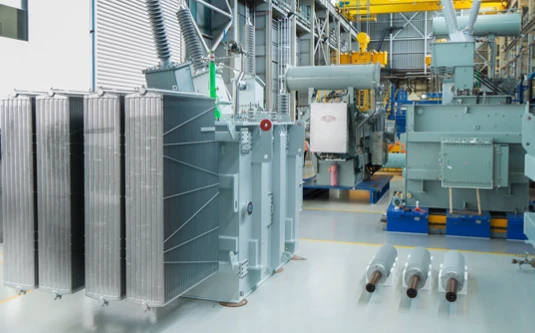
Transformer factory testing, final inspection before shipment
Core Installation Requirements for 315kVA Liquid-Immersed Transformer
1. Site Selection Criteria
- Safety and Accessibility: The installation site must be away from residential areas, public roads, and flammable materials, with a safe distance maintained to mitigate fire risks. It should also allow convenient access for maintenance, oil sampling, and emergency response, with a minimum clearance of 1.5-2 meters around the transformer.
- Environmental Adaptability: Avoid flood-prone areas, corrosive gas zones, and excessive dust environments. The site should be elevated to prevent water ingress, with effective drainage systems to channel away rainwater. The ambient temperature range for operation should be -25°C to 40°C, and the altitude should not exceed 1000 meters unless the transformer is specially designed for higher elevations.
- Load Center Proximity: Install the 315kVA Liquid-Immersed Transformer close to the load center to minimize power transmission losses, while ensuring sufficient space for cooling system operation and routine inspections.
2. Electrical Connection and Protection
- Cable and Bushing Installation: Use cables of appropriate size to match the 315kVA capacity, avoiding sharp bends and ensuring moisture-proof and oil-resistant terminations. Bushing connections must be properly insulated and torqued to specifications; bushings for voltages above 15kV should be capacitor-type for power factor testing. Phase sequence and terminal marking (A/B/C for high voltage, a/b/c for low voltage) must comply with wiring diagrams.
- Grounding and Lightning Protection: Connect the transformer tank, core, and exposed conductive parts (radiators, valves) to a low-resistance grounding grid with a grounding resistance not exceeding 4 ohms. For outdoor installations, install surge arresters and lightning rods to protect against overvoltage and direct lightning strikes. Reserved grounding connections in the foundation can use steel reinforcement bars as part of the grounding grid.
- Protection System Configuration: Equip the 315kVA Liquid-Immersed Transformer with overcurrent protection devices (fuses, circuit breakers), overvoltage protection (surge arresters), and a Buchholz relay to detect gas accumulation or oil leaks. A pressure relief valve should be installed to release excessive internal pressure and prevent tank rupture.
3.Liquid Management and Leak Prevention
- Liquid Handling: Use insulating oil that meets IEC 60296 or ASTM D 3487 standards, ensuring it is free of moisture, particles, and contaminants during filling. Adopt vacuum or pressure filling methods to eliminate air bubbles, which can compromise insulation and cooling efficiency.
- Containment and Leak Detection: Install secondary containment systems (oil collection pits, bunds) capable of holding the full volume of the transformer's oil to prevent environmental contamination in case of leaks. Conduct pressure tests (minimum 6 psi for 2 hours) using white paper or UV dye to inspect gasket tightness at flanges, valves, and manholes.
- Liquid Level and Quality Monitoring: Equip the transformer with a magnetic liquid level indicator with alarm contacts set at the minimum safe operating level. Conduct regular tests of the oil's dielectric strength, moisture content, and acidity to maintain its insulating and cooling properties.
4. Ventilation and Cooling System Setup
- Ventilation Requirements: For indoor installations, install mechanical ventilation systems (fans, exhausts) calculated based on the transformer's rated loss to ensure adequate airflow. Outdoor installations must avoid obstructions (tall walls, enclosures) that hinder natural convection, with radiators and cooling fins kept free of dust and debris.
- Cooling System Configuration: The 315kVA Liquid-Immersed Transformer typically uses natural cooling (ONAN) as standard, with optional forced air cooling (ONAF) for high-load or high-temperature environments. Cooling fans should be mounted on the main tank (not radiators) with guards, and their operation can be controlled automatically by oil temperature or manually. Ensure the cooling system aligns with ANSI C57.12.10 standards for temperature rise (maximum 55°C for windings).
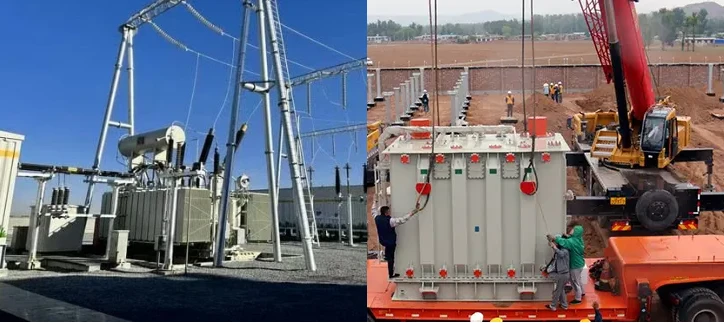
Transformer Packing, Container Loading, On-Site Installation
Foundation Design Specifications for 315kVA Liquid-Immersed Transformer
1. Foundation Load-Bearing Requirements
- Structural Strength: The foundation must support the total weight of the 315kVA Liquid-Immersed Transformer (including oil and core-coil assembly) and withstand static, dynamic, and seismic loads. Use reinforced concrete as the primary material, with reinforcement bars to prevent shifting or cracking over time.
- Levelness and Flatness: The foundation surface must be flat within a tolerance of ±2 mm to ensure even weight distribution and avoid internal stress on the transformer. Uneven surfaces can lead to vibration, oil leakage, and premature component wear.
2. Foundation Dimensions and Layout
- Size Calculation: The foundation area should be slightly larger than the transformer's base, with a minimum width and length extending 300 mm beyond the tank's edges to accommodate bolt fixing and heat dissipation. For the 315kVA capacity, the recommended foundation thickness is no less than 200 mm (adjusted based on soil bearing capacity).
- Embedded Components: Pre-install anchor bolts, grounding terminals, and lifting lugs during foundation construction. The anchor bolts must match the transformer's base holes to ensure secure fixation, while grounding terminals should be easily accessible for connection to the main grounding grid.
3. Anti-Vibration and Corrosion Protection
- Vibration Damping: Install rubber or concrete vibration dampers between the transformer base and the foundation to reduce operational vibration, which can cause loose connections and structural fatigue. The foundation should be isolated from other building structures to prevent vibration transmission.
- Corrosion Resistance: Apply a rubberized asphalt coating to the foundation's top surface and edges to resist moisture and chemical corrosion. For outdoor installations, ensure the foundation is sloped slightly (1-2°) to facilitate water drainage and avoid standing water around the transformer base.
4. Compliance with Standards and Pre-Commissioning Checks
- Standard Alignment: The foundation design must comply with ANSI C57.12.10 and local building codes, with load-bearing capacity verified by structural engineering calculations. For seismic-prone areas, the foundation should be reinforced to meet regional seismic standards.
- Pre-Commissioning Inspections: Before installing the 315kVA Liquid-Immersed Transformer, inspect the foundation for cracks, unevenness, and corrosion. Verify the position and tightness of embedded components, and ensure the grounding system's resistance meets the required standard (≤4 ohms).
Technical Reference Parameters of 315kVA Liquid-Immersed Transformer
Below is a typical reference table for a 315kVA Liquid-Immersed Transformer supplied by GNEE. All parameters can be customized according to project requirements.
| Parameter | Specification |
|---|---|
| Rated Capacity | 315 kVA |
| Transformer Type | Liquid-Immersed |
| Cooling Method | ONAN |
| Rated Voltage (HV/LV) | Customized (e.g. 10kV / 0.4kV) |
| Frequency | 50Hz / 60Hz |
| Installation Type | Indoor / Outdoor |
| Foundation Type | Concrete |
| Insulation Class | Class A |
| Oil Type | Mineral Transformer Oil |
| Standards | IEC / ANSI / GB |
Conclusion: Proper Installation Ensures Long-Term Performance of 315kVA Liquid-Immersed Transformer
Correct installation requirements and foundation design are essential for maximizing the lifespan and safety of a 315kVA Liquid-Immersed Transformer. With manufacturer-level guidance, factory-tested products, and export-ready solutions, GNEE helps customers avoid installation risks and ensure stable power distribution.
👉 Contact GNEE today to receive detailed installation drawings, foundation recommendations, and a competitive quotation for your 315kVA Liquid-Immersed Transformer project.