


1000kVA Dry Type Transformer Loss Comparison: No-Load & Load Loss
In modern power distribution systems, understanding transformer losses is essential for optimizing energy efficiency and reducing operating costs.
As a professional manufacturer, GNEE specializes in high-performance Dry-type Transformer, Three-Phase Dry-type Transformer, and Cast Resin Power Transformer solutions.
When evaluating a 1000kVA Dry Type Transformer Loss Comparison, the two key components-No-Load Loss and Load Loss-directly impact long-term electricity consumption and return on investment. Choosing a Low Loss Dry-type Transformer can significantly reduce lifecycle costs while ensuring stable operation in industrial and commercial environments.
What Is No-Load Loss in 1000kVA Dry Type Transformer?
Definition of No-Load Loss in Dry-type Transformer
No-load loss, also known as core loss, occurs when the transformer is energized but not supplying any load.
It is mainly caused by:
- Hysteresis loss in the core material
- Eddy current loss due to alternating magnetic flux
This type of loss is constant and independent of load, making it a critical factor in 24/7 operating systems such as Indoor Three-Phase Transformer installations.
Characteristics of No-Load Loss in Cast Resin Dry Type Transformer
- Occurs continuously once energized
- Depends on core material quality and design
- Lower in advanced cast resin type transformer using high-grade silicon steel
- Typically ranges between 1.5 kW – 2.5 kW for a 1000kVA unit
A well-designed dry core transformer can significantly reduce these losses through optimized magnetic circuits.
What Is Load Loss in 1000kVA Dry Type Transformer?
Definition of Load Loss in Three-Phase Dry-type Transformer
Load loss, also called copper loss, occurs when the transformer supplies power to a load.
It is mainly caused by:
- Resistance of windings (I²R losses)
- Additional stray losses due to leakage flux
Unlike no-load loss, load loss increases with the square of the load current.
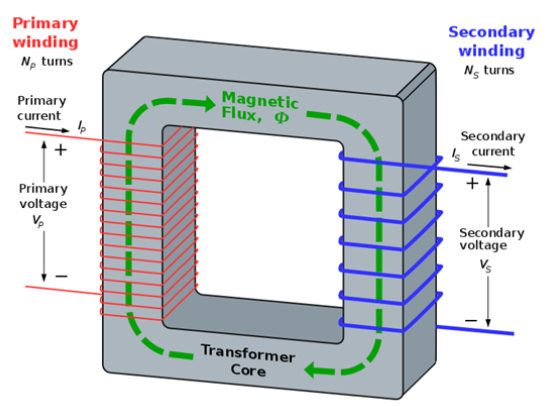
Transformer core and magnetic circuit design
Characteristics of Load Loss in Cast Coil Dry Type Transformer
- Varies with load level
- Dominates total loss during high-load operation
- Typically ranges between 8 kW – 12 kW for a 1000kVA unit
- Reduced through high-quality conductors and optimized winding design
Modern cast resin distribution transformer designs focus on minimizing resistance and improving cooling efficiency.
1000kVA Dry Type Transformer Loss Comparison Table
| Parameter | No-Load Loss | Load Loss |
|---|---|---|
| Also Known As | Core Loss | Copper Loss |
| Occurrence | Energized, no load | During load operation |
| Dependency | Constant | Increases with load |
| Typical Value (1000kVA) | 1.5 – 2.5 kW | 8 – 12 kW |
| Main Cause | Core magnetization | Winding resistance |
| Optimization Method | Better core material | High conductivity winding |
| Impact | Continuous energy cost | Load-dependent cost |
This comparison helps users better understand how dry cast resin transformers behave under different operating conditions.
How to Reduce Loss in 1000kVA Dry Distribution Transformer
Reducing No-Load Loss in Cast Resin Power Transformer
- Use high-grade silicon steel or amorphous core materials
- Optimize magnetic flux density
- Improve core lamination process
These methods are widely adopted by leading cast resin dry type transformer manufacturers to achieve lower standby losses.
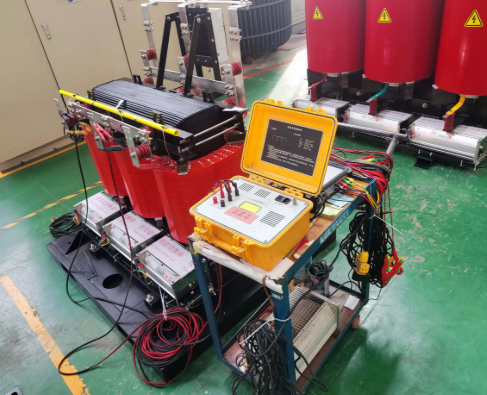
Transformer loss testing process
Reducing Load Loss in Three-Phase Cast Resin Transformer
- Use copper windings with low resistance
- Increase conductor cross-section
- Improve cooling systems (AN/AF)
Efficient heat dissipation ensures better performance of dry cast resin transformers under full load.
Why Low Loss Dry-type Transformer Matters for Your Project
Choosing a Low Loss Dry-type Transformer offers several benefits:
- Lower electricity bills over long-term operation
- Reduced carbon footprint
- Higher system efficiency
- Improved equipment lifespan
For industries running continuous operations, even small reductions in loss can lead to significant cost savings.
Application Scenarios for 1000kVA Dry Type Transformer
Typical Uses of Indoor Three-Phase Transformer
- Commercial buildings and malls
- Hospitals and data centers
- Manufacturing plants
- Renewable energy systems
A Dry distribution transformer is ideal for indoor environments requiring safety, fire resistance, and low maintenance.


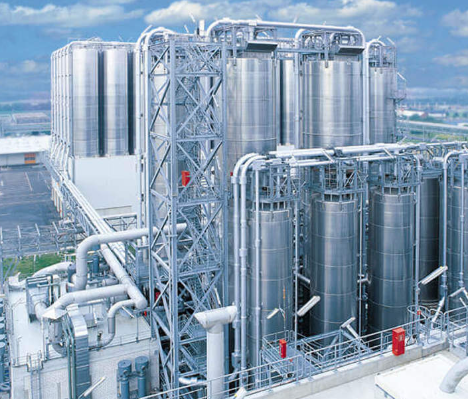

Why Choose GNEE Cast Resin Dry Type Transformer
- Advanced vacuum casting technology
- Strict quality control and international standards (IEC/ANSI)
- Strong OEM/ODM capability
- Reliable performance in global projects
As a trusted supplier, GNEE delivers high-quality cast resin type transformer solutions designed for efficiency and durability.
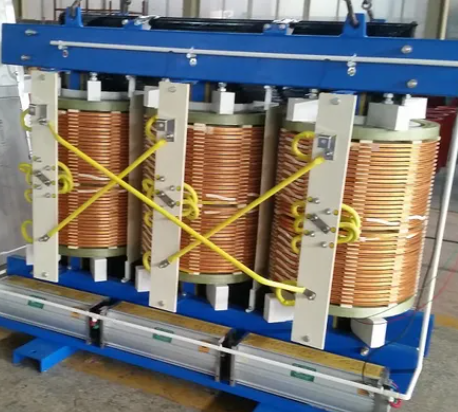
Copper winding of cast resin transformer
These images help illustrate technical quality and manufacturing strength.
Conclusion: 1000kVA Dry Type Transformer Loss Comparison
Understanding the difference between No-Load Loss and Load Loss in a 1000kVA Dry Type Transformer is essential for selecting an energy-efficient solution. By optimizing both core and winding design, a high-quality Three-Phase Dry-type Transformer can significantly reduce operational costs.
At GNEE, we provide advanced Low Loss Dry-type Transformer solutions tailored to your needs.
👉 Contact us today to get expert advice and a competitive quote for your 1000kVA Dry Type Transformer project!
Why does insulation resistance decrease after installation?
Moisture, dust, high humidity and dirty surface are the main causes. Regular cleaning and drying can restore insulation performance.
What is the normal temperature rise for 1000kVA cast resin dry type transformer?
For Class F insulation, the winding average temperature rise is ≤100K, hot-spot temperature ≤155°C. Overload, poor ventilation and dust will cause abnormal high temperature.
What causes abnormal noise during operation of 1000kVA dry type transformer?
Loose core, unbalanced load, voltage fluctuation, harmonics, uneven foundation or internal looseness after transportation.
Is 1000kVA cast resin dry type transformer maintenance-free?
It is nearly maintenance-free, but needs regular dust cleaning, terminal torque check, insulation test and temperature monitoring.
Are small epoxy cracks acceptable for 1000kVA dry type transformer?
Superficial micro-cracks can be repaired, but deep or penetrating cracks affect insulation safety and must be repaired or replaced.
Why does the temperature controller alarm on 1000kVA epoxy cast transformer?
Common causes: overload, fan failure, poor ventilation, temperature sensor fault or heavy harmonics.