


What Is Silicon Steel
Sep 05, 2023
Leave a message
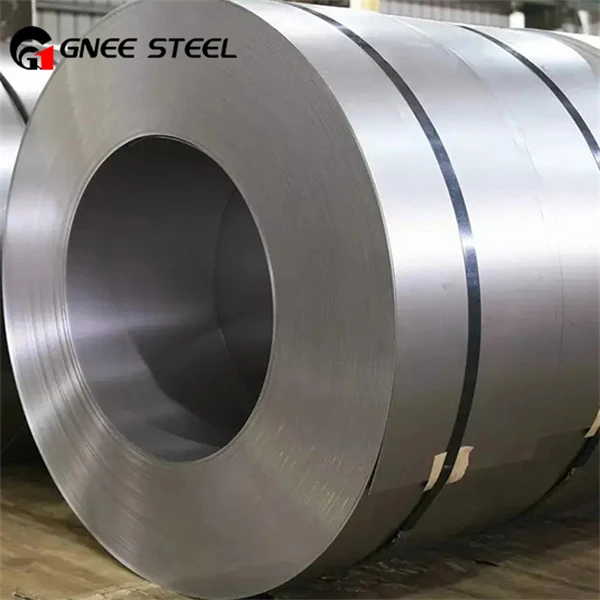
Silicon steel, also known as electrical steel, is a special type of steel alloy that is formulated with silicon as a primary alloying element. It is engineered to possess specific magnetic properties that make it ideal for use in a wide range of electrical and electronic applications. Silicon steel is characterized by its ability to efficiently conduct magnetic flux while minimizing energy losses due to hysteresis and eddy currents. Here are some key characteristics and uses of silicon steel:
Key Characteristics of Silicon Steel:
Low Core Losses: Silicon steel is designed to have low core losses, which means it experiences minimal energy dissipation in the form of heat when subjected to alternating magnetic fields. This property makes it highly efficient for electrical and electronic applications.
High Permeability: Silicon steel exhibits high magnetic permeability, allowing it to easily conduct magnetic flux. This is crucial for applications where magnetic fields need to be guided and concentrated, such as transformers and inductors.
Low Hysteresis Losses: Hysteresis losses occur when a magnetic material undergoes cyclic magnetization and demagnetization. Silicon steel has low hysteresis losses, meaning it retains its magnetic properties efficiently even when the magnetic field is reversed multiple times.
Eddy Current Suppression: Silicon steel is designed to minimize eddy current losses, which occur due to the circulation of electric currents within the material when it's exposed to changing magnetic fields. Special coatings or laminations are often applied to reduce these losses further.
Applications of Silicon Steel:
Transformers: Silicon steel is commonly used in the cores of power transformers and distribution transformers. It helps efficiently step up or step down voltage levels while minimizing energy losses.
Electric Motors and Generators: Silicon steel cores enhance the efficiency of electric motors and generators by reducing energy losses due to magnetic hysteresis and eddy currents.
Inductive Components: Silicon steel is used in the cores of inductors and chokes, which are essential for energy storage and conversion in electrical circuits.
Renewable Energy Systems: Silicon steel plays a role in the construction of transformers and inverters used in renewable energy systems like wind turbines and solar power installations.
Electronic Ballasts: In lighting applications, silicon steel laminations are used in the cores of electronic ballasts for fluorescent lamps and compact fluorescent lamps (CFLs).
Magnetic Sensors and Devices: Silicon steel is used in the construction of magnetic sensors, coils, solenoids, and magnetic shielding for various electronic and industrial applications.
Automotive Applications: It finds use in automotive components like ignition coils and various sensors where precise magnetic properties are required.
Consumer Electronics: Silicon steel cores are used in the transformers and inductors found in consumer electronic devices, such as televisions, audio equipment, and power supplies.
Overall, silicon steel is a critical material in electrical and electronic engineering, contributing to the efficiency, reliability, and performance of a wide range of devices and systems. Its ability to efficiently manage magnetic fields while minimizing energy losses makes it indispensable in modern technology.
If you want to know more, please click on our web site:https://www.chinasiliconsteel.com/