


Oriented Silicon Steel in Electric Vehicle Charging Infrastructure
Aug 14, 2023
Leave a message
Oriented silicon steel plays a significant role in electric vehicle (EV) charging infrastructure, contributing to efficient and reliable charging solutions. As the adoption of electric vehicles continues to rise, the need for efficient energy conversion and distribution in charging systems becomes crucial. Here's how oriented silicon steel is utilized in EV charging infrastructure:
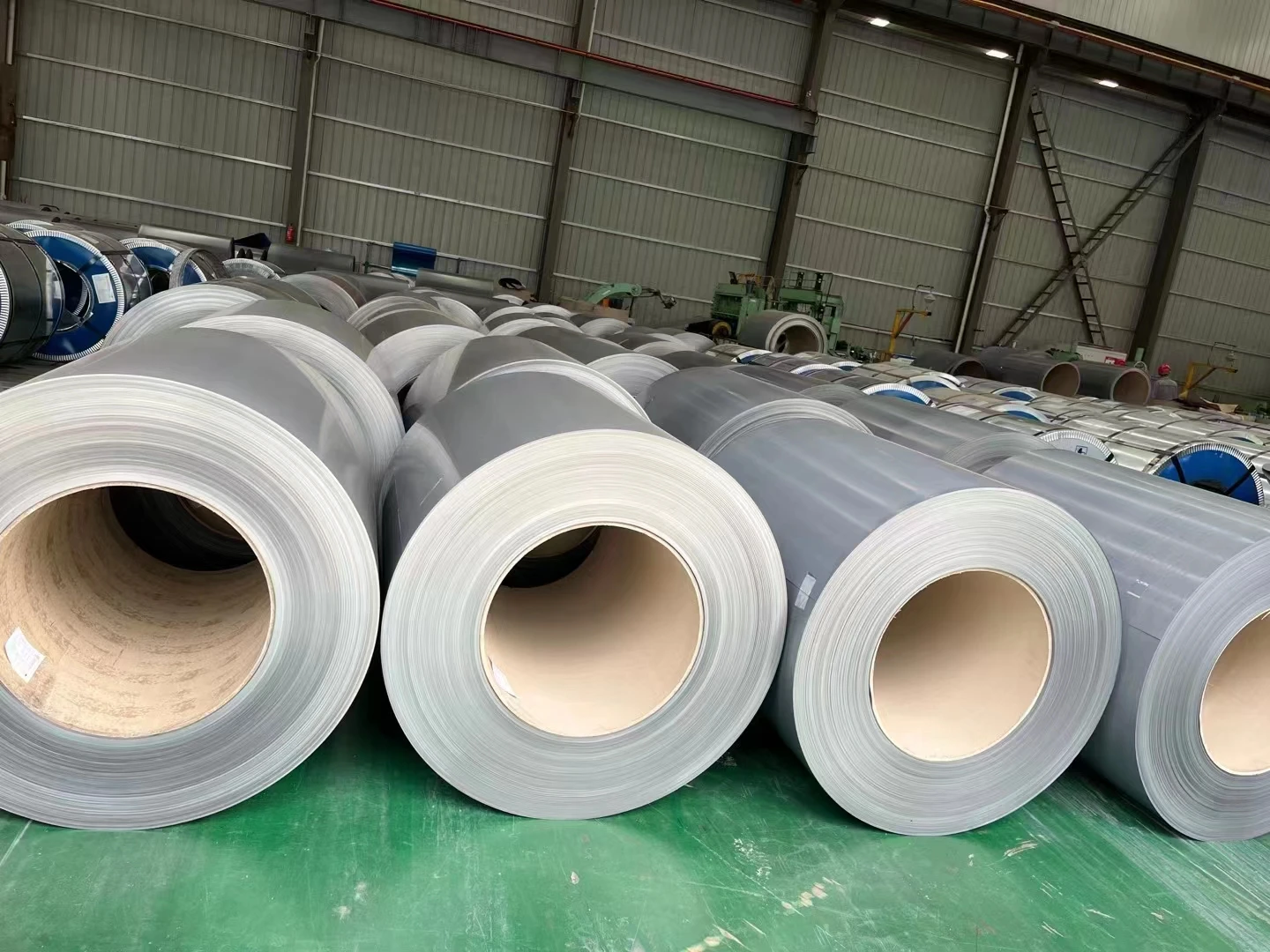
Charging Station Transformers: Charging stations require transformers to convert high-voltage grid power to the appropriate voltage levels for EV charging. Oriented silicon steel cores in these transformers minimize energy losses during the conversion process, enhancing overall energy efficiency.
Energy Distribution: In fast-charging networks and high-power charging stations, oriented silicon steel cores are used in distribution transformers to efficiently distribute power to multiple charging points simultaneously. This ensures uniform energy distribution and minimizes losses.
DC Fast Charging: In DC fast charging stations, oriented silicon steel cores are employed in the rectifiers and power electronics that convert alternating current (AC) from the grid to direct current (DC) for rapid charging. The material's efficiency contributes to faster charging times and reduced energy wastage.
Inductive Charging Systems: Inductive charging, which enables wireless charging for EVs, involves magnetic resonance. Oriented silicon steel cores in inductive charging systems enhance magnetic performance, leading to more efficient energy transfer.
Charging Cable Components: Some charging cables and connectors incorporate oriented silicon steel-based components to improve magnetic shielding, reduce electromagnetic interference, and enhance overall charging efficiency.
Energy Conversion Efficiency: Oriented silicon steel cores in charging infrastructure components, such as transformers and power electronics, improve energy conversion efficiency during power transmission and distribution.
Integration with Renewable Energy: Charging infrastructure can be integrated with renewable energy sources like solar panels. Oriented silicon steel-based components ensure efficient energy conversion and distribution from renewables to EVs.
Smart Charging Management: In smart charging systems, oriented silicon steel-based components contribute to reliable energy distribution and management, allowing for dynamic control of charging rates based on grid conditions and user preferences.
Energy Conservation: By reducing energy losses and promoting efficient energy conversion, oriented silicon steel supports energy conservation and contributes to a more sustainable charging infrastructure.
High-Power Charging Networks: As high-power charging networks become more prevalent, oriented silicon steel cores in transformers and power electronics enable efficient energy conversion for fast-charging EVs.
In conclusion, oriented silicon steel's use in EV charging infrastructure enhances energy efficiency, improves charging times, and supports the growth of electric mobility. As the demand for EVs and charging stations increases, the application of oriented silicon steel in various charging components will play a pivotal role in ensuring reliable, efficient, and sustainable charging solutions for electric vehicles.