


Oriented Silicon Steel: Future Of Efficient Energy Transmission
Aug 29, 2023
Leave a message
Oriented silicon steel holds a promising future in revolutionizing energy transmission by enabling more efficient, reliable, and sustainable transmission of electrical power across grids and networks. Its unique magnetic properties and efficient energy conversion characteristics make it a key enabler for optimizing energy transmission and distribution systems. Here's how oriented silicon steel could shape the future of efficient energy transmission:
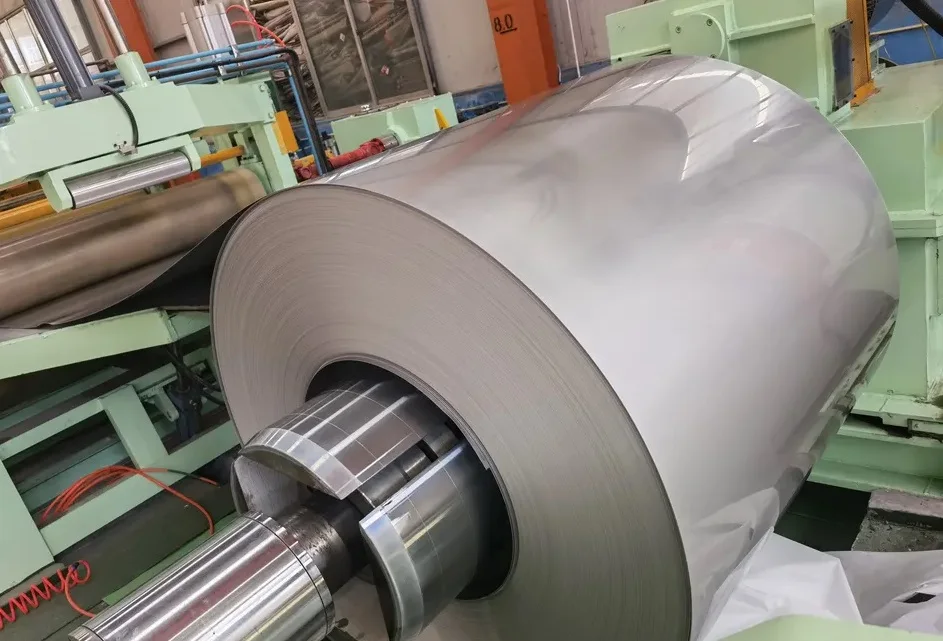
High-Efficiency Transformers: The use of oriented silicon steel cores in transformers reduces core losses and enhances overall efficiency. This translates to less energy wastage during transmission, leading to improved power delivery and reduced operational costs.
Smart Grid Integration: As grids become smarter and more interconnected, oriented silicon steel-based transformers enable efficient distribution, load balancing, and real-time monitoring, contributing to a resilient and optimized energy transmission network.
Renewable Energy Integration: Oriented silicon steel's efficiency benefits are particularly important for integrating fluctuating renewable energy sources like solar and wind into the grid. It ensures that a higher percentage of generated energy reaches consumers.
Long-Distance Transmission: The improved efficiency of oriented silicon steel-based transformers allows for more efficient long-distance transmission of electricity, reducing energy losses over extended distances.
Voltage Regulation and Stability: Oriented silicon steel cores in transformers contribute to stable voltage regulation and grid stability, ensuring consistent power quality and reliable energy transmission.
Reduced Environmental Impact: By minimizing energy losses during transmission, oriented silicon steel helps reduce carbon emissions and the environmental impact of power generation and distribution.
Advanced Power Electronics: Oriented silicon steel's properties benefit power electronics devices used in energy transmission systems, such as high-voltage direct current (HVDC) converters, enhancing their efficiency.
Enhanced Grid Resilience: The use of oriented silicon steel-based transformers improves grid resilience against voltage fluctuations, power surges, and other disturbances, ensuring reliable energy transmission.
Energy Storage Integration: Oriented silicon steel's efficiency improvements also benefit energy storage systems integrated into the grid, facilitating efficient energy storage and discharge.
Urbanization and Energy Demand: As urban populations grow, oriented silicon steel supports efficient energy transmission in densely populated areas with high energy demands.
Intercontinental Energy Exchange: The efficiency gains of oriented silicon steel-based transmission systems could facilitate intercontinental energy exchange, optimizing the use of renewable energy resources worldwide.
Grid Modernization: Oriented silicon steel contributes to grid modernization efforts, making energy transmission networks more flexible, efficient, and capable of accommodating evolving energy needs.
Distributed Energy Resources (DERs): As DERs like rooftop solar panels and local energy storage become more prevalent, oriented silicon steel-based transformers support the efficient integration of these resources into the grid.
Energy Access: In regions with limited access to electricity, oriented silicon steel enhances the efficiency of energy transmission systems, making it possible to extend power supply to remote areas.
Transactive Energy Systems: Oriented silicon steel contributes to transactive energy systems, where energy buyers and sellers interact in real-time to optimize energy consumption and distribution.