


Oriented Silicon Steel: Advancements in Soft Magnetic Properties
Aug 23, 2023
Leave a message
Advancements in the soft magnetic properties of oriented silicon steel have been crucial in improving the efficiency and performance of various electrical devices, particularly transformers and other power-related equipment. Soft magnetic materials like oriented silicon steel exhibit high permeability and low coercivity, making them ideal for applications where rapid and reversible magnetization is essential. Here are some key advancements in the soft magnetic properties of oriented silicon steel:
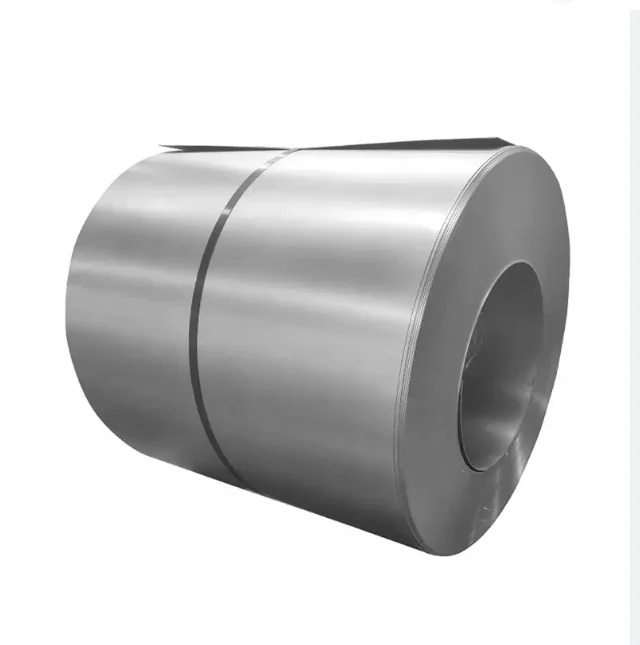
Low Core Losses: Researchers have made significant progress in reducing core losses, which are energy losses due to the changing magnetic fields in the core material. This advancement has led to the development of oriented silicon steel with even lower core losses, enhancing the overall efficiency of transformers and other energy conversion equipment.
High Saturation Flux Density: Saturation flux density is the point at which the material can't hold any more magnetic flux. Advances in oriented silicon steel's saturation flux density allow for the design of smaller and more compact transformers that can handle higher power densities.
Improved Magnetic Permeability: Magnetic permeability is a measure of how easily a material can be magnetized. Advancements in oriented silicon steel have led to higher magnetic permeability, enabling more efficient energy conversion in transformers and other magnetic devices.
Reduced Hysteresis Losses: Hysteresis losses occur when a material is magnetized and demagnetized during an AC cycle. New formulations and processing techniques have led to oriented silicon steel with reduced hysteresis losses, further increasing efficiency.
Enhanced High-Frequency Performance: Soft magnetic materials are often used in high-frequency applications, such as inductors and transformers for power electronics. Advancements in oriented silicon steel's high-frequency properties have resulted in improved performance in these applications.
Tailored Magnetic Anisotropy: Magnetic anisotropy refers to the directional dependence of a material's magnetic properties. Researchers are working on tailoring the magnetic anisotropy of oriented silicon steel to optimize its behavior in specific applications.
Nanocrystalline and Amorphous Alloys: While traditional oriented silicon steel is polycrystalline, there are ongoing developments in nanocrystalline and amorphous alloys that offer even lower core losses and higher efficiency.
Thermal Stability: Soft magnetic properties can change with temperature, affecting the performance of devices over a wide range of operating conditions. Advancements aim to improve the thermal stability of oriented silicon steel, ensuring consistent performance.
Optimized Grain Orientation: The "oriented" in oriented silicon steel refers to the alignment of its crystal grains. Advancements in grain orientation control techniques have resulted in improved magnetic properties.
Advanced Coating Technologies: Coatings can help reduce eddy current losses and improve the overall magnetic performance of oriented silicon steel. Advancements in coating technologies contribute to enhanced efficiency.
Material Design and Simulation: Computational modeling and simulations play a role in designing soft magnetic materials with specific properties. This approach accelerates the discovery of new formulations and processing techniques.