


Non-Oriented Silicon Steel in Electric Vehicle Technology
Aug 31, 2023
Leave a message
Non-oriented silicon steel (NOSS) plays a significant role in advancing electric vehicle (EV) technology by enhancing the efficiency, performance, and sustainability of various components within EVs. From the propulsion system to charging infrastructure, NOSS contributes to making electric vehicles more practical and appealing for consumers. Here's how NOSS is integrated into electric vehicle technology:
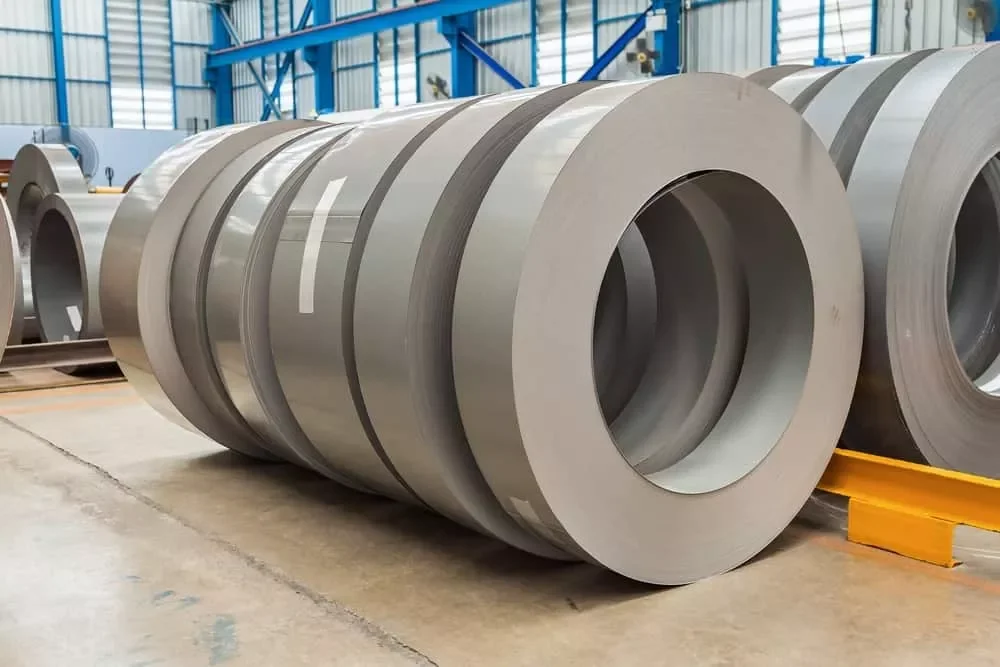
Electric Motor Cores: NOSS is a crucial material for constructing the cores of electric vehicle motors. These cores reduce energy losses caused by magnetic hysteresis and eddy currents, leading to more efficient energy conversion. This results in higher range, better acceleration, and improved overall performance of EVs.
Efficiency Enhancement: Non-oriented silicon steel cores increase the efficiency of EV motors, allowing them to convert more electrical energy into mechanical power and reducing the energy wasted as heat during operation.
Range Extension: By enabling more efficient energy conversion, NOSS helps extend the driving range of electric vehicles on a single charge, addressing one of the common concerns of EV adoption.
Reduced Heat Generation: Efficient NOSS cores lead to reduced heat generation in EV motors, which not only improves energy efficiency but also enhances the durability and lifespan of the motor components.
Regenerative Braking: NOSS contributes to the efficiency of regenerative braking systems. During braking, kinetic energy is converted back into electrical energy and stored in the vehicle's battery, further increasing energy efficiency and range.
Charging Infrastructure: Non-oriented silicon steel is also used in the construction of charging infrastructure components, such as charging stations and equipment. Its efficient energy conversion properties contribute to faster and more efficient charging of EVs.
Electric Propulsion: In addition to passenger vehicles, NOSS cores are essential for electric propulsion systems in other transportation modes like electric buses and trucks, contributing to a more sustainable transportation ecosystem.
Noise Reduction: Efficient NOSS cores contribute to quieter operation of EV motors, enhancing the overall driving experience and reducing noise pollution in urban environments.
Sustainability: The use of non-oriented silicon steel aligns with the sustainability goals of electric vehicle technology, as it promotes energy efficiency and reduces the carbon footprint associated with transportation.
Advancements in EV Design: The integration of NOSS in EV technology supports the design of compact and lightweight motor systems, allowing for more versatile vehicle designs and maximizing interior space.
Economic Benefits: Efficient energy conversion facilitated by NOSS cores reduces energy consumption, leading to cost savings for EV owners in terms of fuel and maintenance.
Market Growth: The adoption of NOSS-enhanced electric vehicle technology accelerates the growth of the electric vehicle market, contributing to cleaner and more sustainable transportation solutions globally.
If you want to know more, please click on our web site:https://www.chinasiliconsteel.com/