Selecting the proper silicon steel by knowing more relevant information
Dec 04, 2023
Leave a message
GNEE New Material Silicon Steel Coil
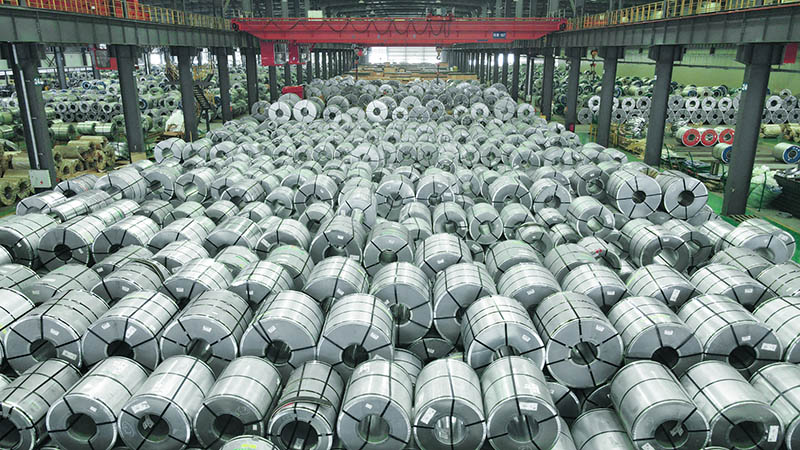
The use of silicon steel (also known as electrical steel, lamination steel) is increasing year by year. As a steel type used in very specific industries, the key indicators of silicon steel are directly reflected by the grades.
Therefore, to understand the naming rules of grades and the meaning of key indicators will help us understand the products in a more effective way.
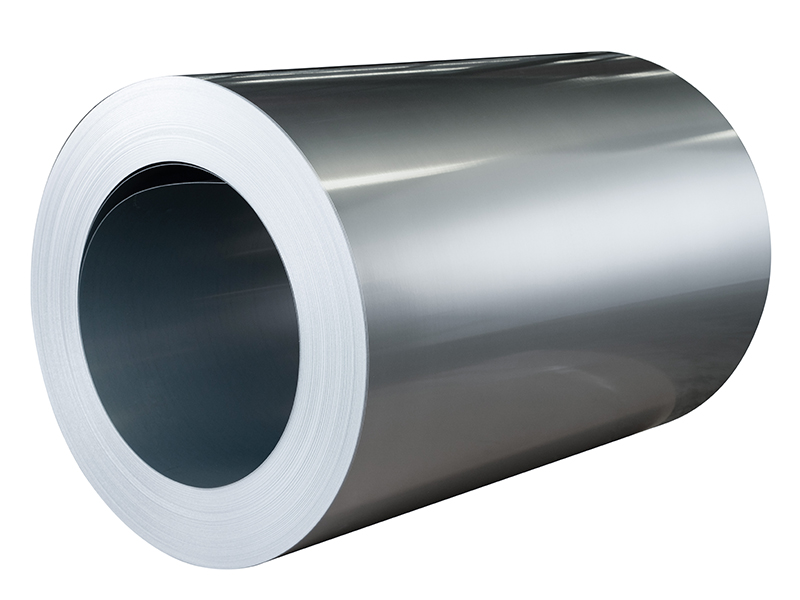
What's the core indicator of electrical steel? ----Low iron loss. During the energy conversion process of magnetism and electricity, energy could be lost in forms of heat, noise and so on. All properties related to loss are key indicators of silicon steel.
The naming of silicon steel grades usually includes four indicators: thickness, type, iron loss, and coating.
Thickness: generally marked with 100 times the nominal thickness (mm), such as 50 - actually represents the thickness of 0.5mm;
Type: generally identifies the type of silicon steel, such as non-oriented, oriented, oriented for UHV transformers, non-oriented for intermediate frequency, etc.;
Iron loss: generally marked with 100 times the guaranteed value of iron loss. For instance, 600, 800, etc. Such values are very commonly seen in the iron loss;
Coating: represents the type of insulating coating on the surface of silicon steel, such as semi-organic thin coating, self-adhesive coating, etc.;
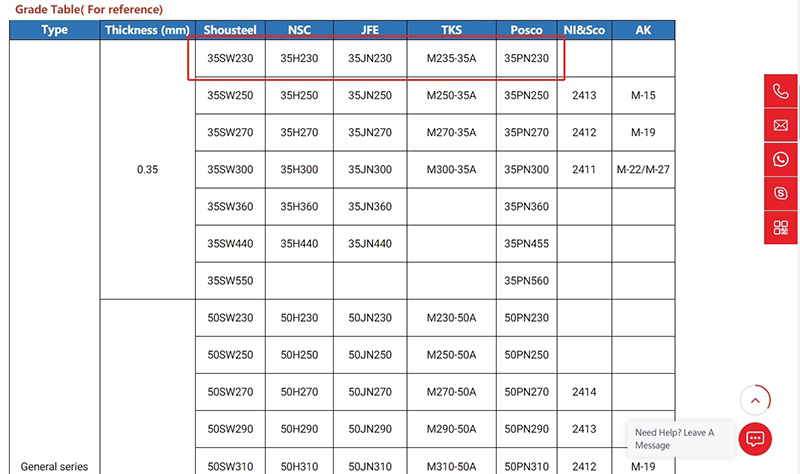
Check out the first row marked red.
The naming rules of 35SW230 consist of "thickness-brand-type-iron loss":
"35" indicates thickness is 0.35mm,
"S" stands for Shou steel, which is the manufacturer,
"W" stands for non grain oriented silicon steel,
"230" is the iron loss value for reference.