


What are the Design Principles of Oil Immersed Type Transformers?
May 30, 2025
Leave a message
When it comes to oil immersed transformers, most people think of their huge metal casings and complex circuits. However, few know that behind their stable operation lies a set of strict design principles. How do these principles ensure the safe and efficient operation of oil immersed type transformers? This article will uncover the mystery for you.
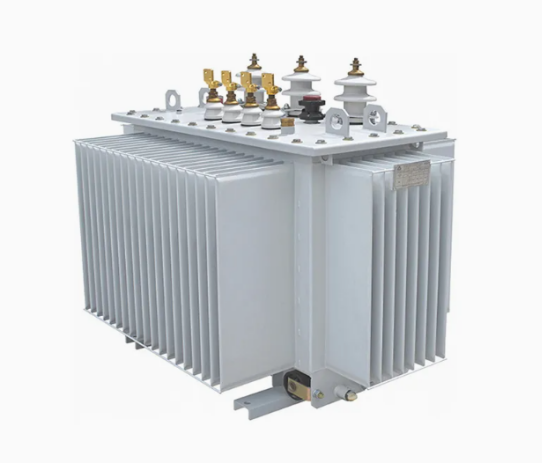
Oil Immersed Type Transformer
An immersed transformer is a widely used power equipment in electrical systems, primarily utilizing insulating oil for electromagnetic energy conversion and heat dissipation. It consists of a core made of silicon steel sheets for magnetic flux conduction, windings (copper or aluminum coils) for voltage transformation via electromagnetic induction, and a metal tank filled with insulating oil (such as mineral oil) to insulate components and dissipate heat. With advantages like excellent insulation, high heat dissipation efficiency, and strong reliability, it is commonly applied in power transmission and distribution systems, industrial facilities, and urban power grids.
The working principle of Oil Immersed Type Transformers
Before delving into the design principles of transformers oil immersed type, grasping their working principle is fundamental to understanding all design considerations. Oil immersed transformers operate based on the law of electromagnetic induction: when an alternating current power source is connected to the primary winding, an alternating magnetic flux is generated in the iron core. This changing magnetic field induces an electromotive force of the same frequency in the secondary winding, thereby achieving voltage transformation (stepping up or down). As the core medium of three phase oil immersed transformers, insulating oil not only shoulders the critical task of insulation but also efficiently dissipates heat generated by the iron core and windings through circulatory flow. Although this principle appears simple, it determines key parameters such as oil-cooled transformer capacity, voltage class, and heat dissipation requirements. It is precisely based on this principle that designers can formulate targeted design principles centered on goals such as safety, efficiency, and reliability, endowing oil-cooled transformers with the "vitality" for stable operation.
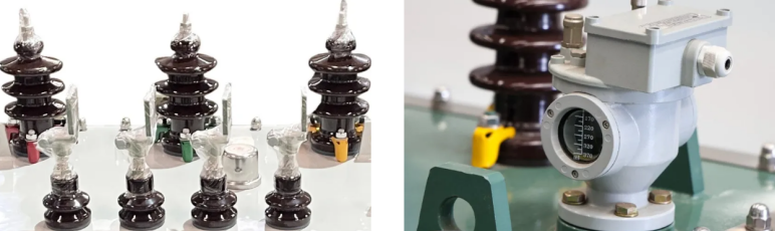
Design Requirements
Oil cool transformers, as core hub equipment in power systems, are such that their design concepts and optimization strategies not only determine the reliability and service life of the equipment itself, but also directly affect the stable operation and energy efficiency improvement of the power system. When designing these transformers, the following design requirements must be strictly followed:

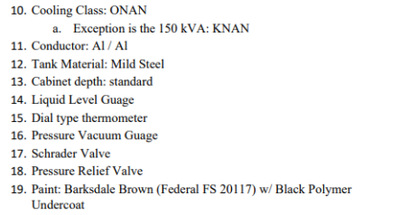
Design Principles
Power Matching Principle
First is the principle of power matching. The design of oil immersed type transformers must precisely align with the characteristics of actual loads, scientifically determining rated capacity and voltage parameters based on the power consumption requirements of the system. This ensures the immersed transformer's output power stabilizes the power system while avoiding energy waste from excessive redundancy, balancing economy and functionality.
Material Optimization Principle
Secondly, the principle of material selection is critical. As the core components of the oil immersed transformer, the quality of winding and core materials directly impacts equipment performance. Using high-purity copper windings, cores made of high-permeability oriented silicon steel sheets, and high-performance insulating materials can significantly reduce hysteresis and eddy current losses, enhance power conversion efficiency, strengthen insulation, and ensure long-term stable operation.
Cooling System Design Principle
Furthermore, the cooling system design principle cannot be overlooked. An efficient cooling system is key to maintaining transformer safety. By rationally planning oil circuit circulation, optimizing radiator layouts, and integrating intelligent temperature control, oil temperature can be effectively managed, improving overload capacity, stability, and service life while minimizing failure rates.
Scenario-Based Optimization Strategy
In addition, scenario-specific optimization strategies can unlock further equipment potential. For large-capacity transformers, hierarchical cooling or air-cooling systems enhance heat dissipation; in harsh environments (e.g., high humidity, salt spray, or flammable areas), targeted designs like anti-corrosion coatings and explosion-proof casings improve adaptability and durability, meeting diverse application needs.
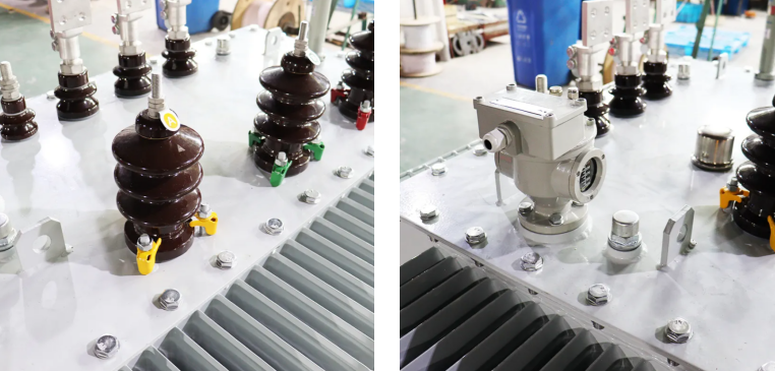
Conclusion

In summary, the design of oil immersed type transformers must adhere to three core principles: power matching, material optimization, and cooling system integration, while implementing customized optimization solutions based on application scenarios. Through precise capacity planning that matches load requirements, selection of high-permeability and low-loss materials, and construction of intelligent and efficient heat dissipation systems, these oil immersed transformers can not only ensure reliable operation throughout their lifecycle but also provide a solid foundation for the safety, stability, and energy efficiency improvement of power systems, achieving full-chain optimization from theoretical design to engineering practice.
For more detailed information, we' d love to hear from you! Reach out to our team at sales@gneesteels.com.