

What is the interaction between Crgo Steel Plate and other materials in a system?
Sep 16, 2025
Leave a message
In the domain of electrical engineering and industrial manufacturing, CRGO (Cold Rolled Grain Oriented) steel plates play a pivotal role. As a supplier of CRGO steel plates, I have witnessed firsthand the complex yet fascinating interactions these plates have with other materials within various systems. This blog post aims to explore these interactions in depth, shedding light on the significance of CRGO steel plates and their impact on overall system performance.
Understanding CRGO Steel Plates
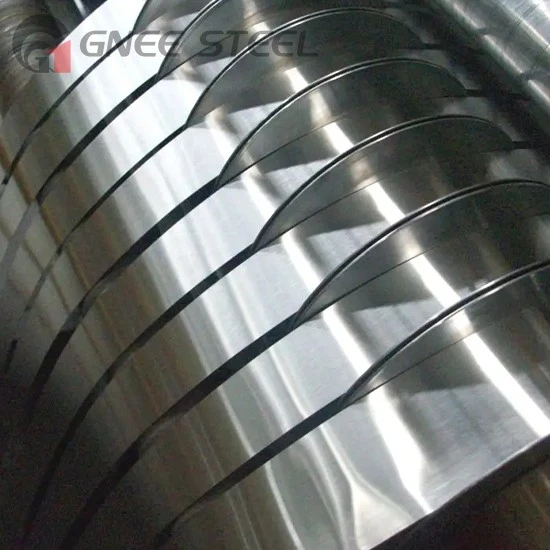
CRGO steel plates are specially engineered electrical steels with a high silicon content. The cold - rolling process and grain - orientation treatment give them unique magnetic properties. Their low core loss and high magnetic permeability make them ideal for use in transformers, motors, and other electrical equipment. When an alternating current passes through a magnetic core made of CRGO steel, the material can efficiently convert electrical energy into magnetic energy and vice versa, with minimal energy loss in the form of heat.
Interaction with Insulating Materials
One of the most common interactions of CRGO steel plates is with insulating materials. In transformers, for example, the CRGO steel core is often surrounded by insulating materials such as paper, varnish, or oil. The purpose of these insulators is to prevent electrical short - circuits between the different layers of the steel core and to protect the core from environmental factors.
The interface between the CRGO steel and the insulating material is crucial. If the insulation is not properly applied or if it degrades over time, it can lead to partial discharges. These discharges can cause damage to the CRGO steel surface, leading to increased core losses and reduced transformer efficiency. On the other hand, a well - chosen and well - maintained insulating material can enhance the performance and lifespan of the CRGO steel core. For instance, high - quality transformer oil not only provides electrical insulation but also helps in cooling the core, which is essential for maintaining the magnetic properties of the CRGO steel.
Interaction with Conductive Materials
In electrical systems, CRGO steel plates also interact with conductive materials such as copper or aluminum windings. The magnetic field generated by the current flowing through the windings induces a magnetic flux in the CRGO steel core. The design of the winding and the core must be carefully coordinated to ensure maximum efficiency.
The magnetic coupling between the CRGO steel core and the conductive windings is affected by factors such as the number of turns in the winding, the cross - sectional area of the conductor, and the magnetic properties of the CRGO steel. A proper balance between these factors is necessary to achieve the desired voltage transformation ratio and power transfer in transformers. For example, in a step - down transformer, the number of turns in the primary winding is greater than that in the secondary winding. The CRGO steel core helps in concentrating the magnetic field, allowing for efficient energy transfer between the two windings.
Interaction with Structural Materials
In addition to electrical components, CRGO steel plates interact with structural materials in the system. In large transformers, the CRGO steel core is usually housed in a metal tank made of steel or aluminum. The structural material provides mechanical support and protection for the core.
The interaction between the CRGO steel core and the structural housing can have an impact on the overall vibration and noise levels of the system. When the transformer is in operation, the magnetic forces acting on the CRGO steel core can cause it to vibrate. If the structural housing is not properly designed to dampen these vibrations, they can be transmitted to the surrounding environment, resulting in audible noise. Therefore, manufacturers often use vibration - damping materials and proper mounting techniques to reduce the impact of these vibrations.
Case Studies: Exports and System Performance
As a supplier, I have seen how different grades of CRGO steel perform in various international markets. For example, 23RK100 Silicon Steel Export To Pakistan has been well - received in the Pakistani market. The 23RK100 grade is known for its relatively low core loss and high magnetic induction, which makes it suitable for medium - sized transformers. In the Pakistani electrical grid, these transformers are required to operate efficiently under different load conditions. The interaction of the 23RK100 CRGO steel with other materials in the transformer, such as insulating oil and copper windings, has been optimized to meet the local requirements.
Another example is 18RK075 Silicon Steel Export To Vietnam. The 18RK075 grade offers even lower core losses compared to the 23RK100. In Vietnam, where energy efficiency is a high priority, this grade of CRGO steel is used in high - efficiency transformers. The interaction between the 18RK075 steel and the insulating materials, as well as the conductive windings, is carefully engineered to ensure maximum energy savings.
30RK095 Silicon Steel Export To Pakistan is also a popular choice in the Pakistani market. This grade is suitable for larger transformers with higher power ratings. The interaction between the 30RK095 CRGO steel and the structural components of the transformer, such as the steel tank, is crucial for maintaining the mechanical stability of the system under high - load conditions.
Importance of Material Compatibility
The interactions between CRGO steel plates and other materials highlight the importance of material compatibility in system design. When selecting materials for an electrical system, engineers must consider not only the individual properties of each material but also how they will interact with each other. A mismatch in material properties can lead to premature failure of the system, increased maintenance costs, and reduced energy efficiency.
For example, if an insulating material has a different coefficient of thermal expansion compared to the CRGO steel, temperature changes during operation can cause stress at the interface between the two materials. Over time, this stress can lead to cracking of the insulation or damage to the steel surface. Therefore, it is essential to choose materials with similar thermal properties to ensure long - term stability of the system.

Conclusion
The interaction between CRGO steel plates and other materials in a system is a complex and multi - faceted phenomenon. From insulating materials to conductive and structural materials, each interaction plays a crucial role in determining the performance, efficiency, and lifespan of the electrical system. As a supplier of CRGO steel plates, I understand the importance of providing high - quality products that can work seamlessly with other materials in various applications.
If you are in the market for CRGO steel plates for your electrical projects, I encourage you to reach out for a detailed discussion. We can work together to select the most suitable grade of CRGO steel and ensure that it will interact optimally with the other materials in your system. Whether you are building a small transformer or a large - scale power distribution network, we have the expertise and the products to meet your needs.
References
- Grover, P. K. (2007). Electrical Machinery. New Age International.
- Westinghouse Electric Corporation. (1982). Electrical Transmission and Distribution Reference Book. Westinghouse Electric Corporation.
- CIGRE Technical Brochure 640. (2015). Aging of transformer insulation systems. CIGRE.