

What is the flatness requirement of Silicon Steel E Core?
Sep 09, 2025
Leave a message
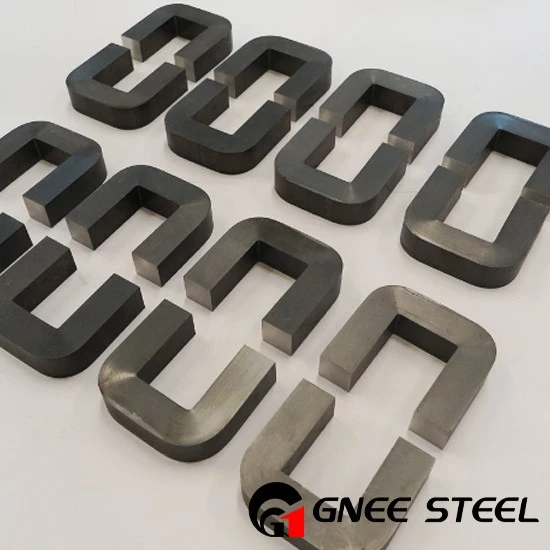
Silicon steel E cores are crucial components in various electrical applications, especially in transformers and inductors. As a leading supplier of silicon steel E cores, I understand the significance of flatness requirements in ensuring the optimal performance of these cores. In this blog post, I will delve into the flatness requirements of silicon steel E cores, exploring why they matter, how they are measured, and the impact of non - compliance.
Why Flatness Matters
The flatness of a silicon steel E core is not just a matter of aesthetics; it has a direct impact on the electrical and mechanical performance of the core.
Electrical Performance
In transformers and inductors, the silicon steel E core forms the magnetic circuit. Any deviation from the ideal flatness can lead to non - uniform magnetic flux distribution. When the core is not flat, there may be air gaps between the laminations or between different parts of the core. These air gaps increase the reluctance of the magnetic circuit, which in turn reduces the efficiency of the transformer or inductor. As a result, more energy is lost in the form of heat, leading to higher operating temperatures and lower overall performance.
Mechanical Performance
From a mechanical perspective, a flat silicon steel E core is easier to assemble. In the manufacturing process of electrical devices, the cores need to be stacked and fixed precisely. If the cores are not flat, it becomes difficult to align them properly, which can lead to misalignment and instability in the final product. Moreover, non - flat cores may experience uneven stress distribution during operation, which can cause mechanical failure over time.
Measuring Flatness
There are several methods to measure the flatness of silicon steel E cores. The most common approach is to use a flatness measuring instrument, such as a laser flatness gauge. This device projects a laser beam onto the surface of the core and measures the height variations across the surface. The measured data is then analyzed to determine the flatness deviation.
Another method is the use of a feeler gauge. This involves placing a thin strip of metal (the feeler gauge) between the core surface and a reference flat surface. By adjusting the thickness of the feeler gauge until it just fits, the maximum gap between the core and the reference surface can be determined. This method is relatively simple and cost - effective but may not provide as accurate results as a laser flatness gauge.
Flatness Requirements in Different Applications
The flatness requirements of silicon steel E cores vary depending on the specific application.
High - Precision Transformers
In high - precision transformers, such as those used in power distribution systems or high - end audio equipment, the flatness requirements are extremely strict. A small deviation in flatness can have a significant impact on the performance of these transformers. For example, in a power distribution transformer, even a minor air gap caused by non - flat cores can lead to increased energy losses, which translate into higher costs and reduced efficiency. In high - end audio transformers, non - flat cores can introduce distortion in the audio signal, degrading the sound quality.
General - Purpose Inductors
For general - purpose inductors used in consumer electronics, the flatness requirements are relatively less stringent. While flatness still affects the performance, the impact is not as critical as in high - precision applications. However, it is still important to maintain a certain level of flatness to ensure reliable operation and ease of assembly.
Our Company's Approach to Meeting Flatness Requirements
As a supplier of silicon steel E cores, we are committed to meeting the highest flatness requirements. We have invested in advanced manufacturing equipment and quality control systems to ensure the flatness of our cores.
Manufacturing Process
Our manufacturing process starts with high - quality silicon steel materials. We carefully select the raw materials to ensure their uniformity and quality. During the stamping process, we use precision stamping dies and advanced stamping techniques to minimize the deformation of the cores. After stamping, the cores undergo a heat - treatment process to relieve internal stresses, which helps to maintain their flatness.
Quality Control
We have a comprehensive quality control system in place to monitor the flatness of our cores. Every core is inspected using our state - of - the - art laser flatness gauges. Only cores that meet our strict flatness requirements are allowed to leave the factory. In addition, we conduct regular audits of our manufacturing process to identify and address any potential issues that may affect flatness.

Impact of Non - Compliance
If a silicon steel E core does not meet the flatness requirements, it can have several negative consequences.
Performance Degradation
As mentioned earlier, non - flat cores can lead to reduced electrical and mechanical performance. This can result in lower efficiency, higher energy consumption, and shorter lifespan of the electrical devices in which the cores are used.
Customer Dissatisfaction
In the highly competitive market of electrical components, customer satisfaction is crucial. If our customers receive cores that do not meet their flatness requirements, they are likely to be dissatisfied with our products. This can lead to lost business opportunities and damage to our reputation as a reliable supplier.
Our Product Range and Flatness Considerations
We offer a wide range of silicon steel E cores to meet the diverse needs of our customers. Our product portfolio includes Cold Rolled Non - oriented Transformer Core, Thin Gauge Silicon Steel Core, and Ultra - thin Silicon Steel Core.
Each type of core has its own unique flatness requirements. For example, ultra - thin silicon steel cores are more prone to deformation during the manufacturing process, so we pay extra attention to their flatness control. Our R & D team is constantly working on improving the manufacturing processes to ensure that all our products meet the highest flatness standards.
Conclusion
In conclusion, the flatness requirement of silicon steel E cores is a critical factor that affects the performance, reliability, and customer satisfaction of electrical devices. As a supplier, we understand the importance of meeting these requirements and have taken significant steps to ensure the flatness of our cores.
If you are in the market for high - quality silicon steel E cores, we invite you to contact us for procurement and further discussions. Our team of experts is ready to provide you with detailed information about our products and help you find the best solution for your specific needs.
References
- "Electrical Steel Handbook" by the American Iron and Steel Institute.
- "Power Transformer Design and Application" by Gerald B. Clayton.
- "Manufacturing Technology for Electrical and Electronic Components" by John Wiley & Sons.