

What are the uses of silicon steel in the design of electric vehicle motors?
Oct 01, 2025
Leave a message
Silicon steel, also known as electrical steel, is a key player in the world of electric vehicle (EV) motors. As a supplier of silicon steel uses, I've seen firsthand how this remarkable material is revolutionizing the EV industry. In this blog, I'll dive into the various uses of silicon steel in the design of EV motors and why it's so crucial for the future of transportation.

The Basics of Silicon Steel
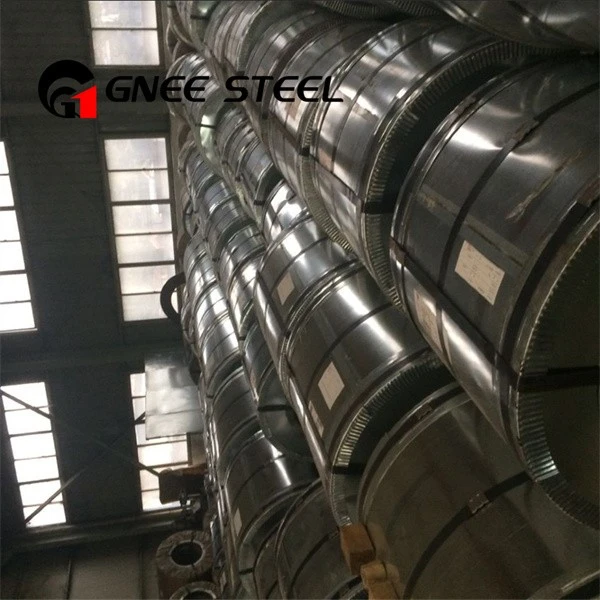
Before we get into the nitty - gritty of its uses in EV motors, let's quickly go over what silicon steel is. It's a special type of steel alloy that contains silicon, usually between 1 - 4.5%. This addition of silicon gives the steel some awesome magnetic properties. It has low core loss, which means it can convert electrical energy into magnetic energy and vice - versa very efficiently. And it also has high magnetic permeability, allowing it to easily conduct magnetic fields.
Core of the Motor: Stator and Rotor
The most significant use of silicon steel in EV motors is in the construction of the stator and the rotor. These are the two main components that make the motor work.
Stator
The stator is the stationary part of the motor. It's made up of a stack of thin silicon steel laminations. These laminations are insulated from each other to reduce eddy current losses. Eddy currents are those pesky little currents that are induced in the core material when it's exposed to a changing magnetic field. They cause energy to be wasted in the form of heat.
Silicon steel's low core loss property is a game - changer here. By using silicon steel laminations, we can minimize these eddy current losses, which in turn increases the overall efficiency of the motor. For example, 30QG120 Cold Rolled Grain Oriented Silicon Steel is a great choice for stator construction. Its high - permeability grain - oriented structure allows for better magnetic flux flow, which means more efficient operation of the stator.
Rotor
The rotor is the rotating part of the motor. Similar to the stator, it's also made of silicon steel laminations. The rotor needs to be able to respond quickly to the changing magnetic fields created by the stator. Silicon steel's high magnetic permeability makes it ideal for this. It can quickly magnetize and demagnetize as the magnetic field changes, enabling the rotor to rotate smoothly and efficiently.
30QG105 Cold Rolled Grain Oriented Silicon Steel is often used in rotor design. Its excellent magnetic properties ensure that the rotor can follow the stator's magnetic field precisely, resulting in a well - performing motor.
Improving Motor Performance
Silicon steel doesn't just stop at being used in the stator and rotor. It also plays a big role in improving the overall performance of the EV motor.
Power Density
Power density is a measure of how much power a motor can produce relative to its size. EV manufacturers are always looking to make motors that are smaller and lighter but still pack a punch. Silicon steel helps with this. Its high magnetic permeability allows for a stronger magnetic field to be generated in a smaller volume. This means that motors can be made more compact without sacrificing power output. So, you get a smaller, lighter motor that can still drive the vehicle effectively.
Torque and Speed
Torque is what gets the vehicle moving from a standstill, and speed is how fast it can go once it's moving. Silicon steel helps in both aspects. The efficient magnetic properties of silicon steel allow for better control of the magnetic field in the motor. This leads to improved torque production at low speeds and better speed regulation at high speeds. As a result, EVs can have better acceleration and a wider speed range.
Reducing Heat Generation
Heat is the enemy of any electrical device, and EV motors are no exception. Excessive heat can damage the motor's components and reduce its lifespan. Silicon steel helps in keeping the heat in check.
As I mentioned earlier, its low core loss property means that less energy is wasted as heat. When the motor is running, the silicon steel laminations in the stator and rotor convert electrical energy into mechanical energy very efficiently, with minimal heat generation. For instance, B27P095 Cold Rolled Grain Oriented Silicon Steel is designed to have extremely low core losses, which is great for heat management in the motor. This allows the motor to run cooler and last longer.
Cost - Efficiency
In addition to all these performance benefits, silicon steel is also cost - effective in the long run. Although the initial cost of using high - quality silicon steel might be a bit higher than some other materials, the savings in energy consumption and maintenance costs more than make up for it.
Since EV motors made with silicon steel are more efficient, they consume less electricity. This means lower operating costs for the vehicle owner. And because they generate less heat and have fewer losses, they are less likely to break down, reducing the need for expensive repairs and replacements.
Conclusion and Call to Action
In conclusion, silicon steel is an essential material in the design of EV motors. Its unique magnetic properties make it perfect for building the stator and rotor, improving motor performance, reducing heat generation, and being cost - efficient.
If you're in the business of manufacturing EV motors or are involved in the EV industry in any way, I highly recommend considering using our high - quality silicon steel products. We offer a wide range of silicon steel options, including 30QG120 Cold Rolled Grain Oriented Silicon Steel, 30QG105 Cold Rolled Grain Oriented Silicon Steel, and B27P095 Cold Rolled Grain Oriented Silicon Steel.
Get in touch with us to discuss your specific requirements. We're here to help you take your EV motor designs to the next level with our top - notch silicon steel solutions.
References
- "Electrical Steels: Fundamentals and Applications" by H. J. Goldacker and H. Brauer.
- "Electric Motors and Drives: Fundamentals, Types, and Applications" by Austin Hughes.