

What are the reasons for the difference in magnetic stability between silicon steel grades?
Oct 06, 2025
Leave a message
Hey there! As a supplier of silicon steel grades, I've been getting a lot of questions lately about why there are differences in magnetic stability among various silicon steel grades. Well, let's dive right into it and explore the reasons behind these variations.
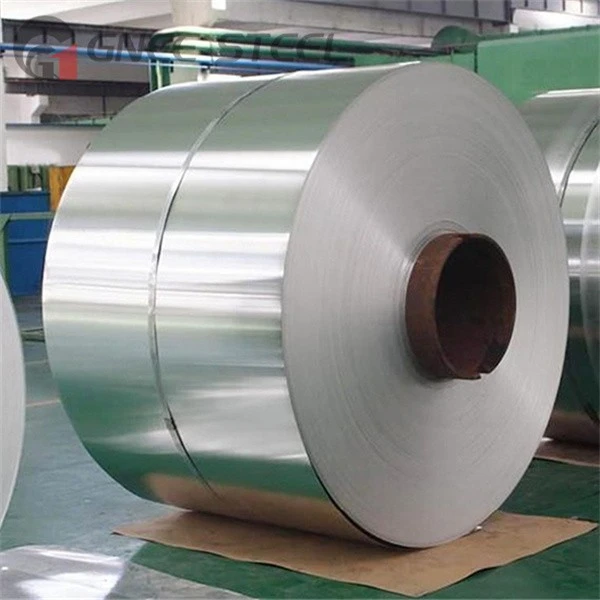

First off, let's talk about what silicon steel is. Silicon steel, also known as electrical steel, is a special type of steel that's mainly used in electrical equipment like transformers, motors, and generators. Its key feature is its excellent magnetic properties, which help in efficient energy conversion. But not all silicon steel grades are created equal when it comes to magnetic stability.
One of the main factors that affect magnetic stability is the silicon content. Different silicon steel grades have different percentages of silicon in them. Generally, the higher the silicon content, the better the magnetic properties and stability. Silicon helps to reduce the eddy current losses in the steel, which are basically the losses caused by the circulating currents induced in the material when it's exposed to a changing magnetic field. For example, grades with a higher silicon content can handle higher frequencies without significant degradation in their magnetic performance.
Another important aspect is the grain orientation. There are two main types of silicon steel: grain - oriented and non - grain - oriented. Grain - oriented silicon steel has its grains aligned in a specific direction, which gives it superior magnetic properties in that particular direction. This alignment allows for more efficient magnetic flux flow, resulting in better magnetic stability. On the other hand, non - grain - oriented silicon steel has randomly oriented grains, which makes its magnetic properties more isotropic but generally less stable compared to grain - oriented grades in specific applications.
The manufacturing process also plays a huge role. The way silicon steel is rolled, annealed, and treated can have a profound impact on its magnetic stability. Cold rolling, for instance, can refine the grain structure of the steel, improving its magnetic properties. Annealing is a heat - treatment process that helps to relieve internal stresses in the steel and further optimize its grain structure. A well - controlled manufacturing process can ensure that the steel has a consistent and stable magnetic performance.
Impurities in the steel can also be a culprit. Even small amounts of impurities like sulfur, phosphorus, and oxygen can affect the magnetic properties of silicon steel. These impurities can disrupt the magnetic domain structure in the steel, leading to increased magnetic losses and reduced stability. Manufacturers need to carefully control the purity of the raw materials and the production environment to minimize the presence of these impurities.
Now, let's take a look at some specific silicon steel grades to understand these differences better. The 27Q120 Electrical Steel is a high - quality grain - oriented silicon steel. It has a carefully controlled silicon content and a well - aligned grain structure, which gives it excellent magnetic stability, especially in high - efficiency transformers. The B35G135 Electrical Steel is another grade that's known for its good magnetic properties. It's designed to offer a balance between performance and cost, making it suitable for a wide range of electrical applications. And the Cold Rolled Oriented Silicon Steel Coil is a product that benefits from the cold - rolling process, which enhances its magnetic stability and overall performance.
The thickness of the silicon steel sheets can also influence magnetic stability. Thinner sheets generally have lower eddy current losses because the induced currents have less area to circulate in. However, thinner sheets can also be more difficult to handle during manufacturing and may be more prone to mechanical damage. So, there's a trade - off between thickness, magnetic stability, and practicality.
The magnetic field strength and frequency of the application are also important considerations. Different silicon steel grades are optimized for different operating conditions. For low - frequency applications like power transformers, grades with high magnetic permeability and low losses are preferred. In high - frequency applications such as in some electronic devices, grades that can maintain their magnetic stability at high frequencies are required.
So, if you're in the market for silicon steel grades and need a product with specific magnetic stability requirements, it's crucial to understand these factors. At our company, we offer a wide range of silicon steel grades to meet your diverse needs. Whether you're looking for high - performance grades for large - scale power equipment or cost - effective options for smaller applications, we've got you covered.
If you're interested in learning more about our silicon steel products or want to discuss your specific requirements, don't hesitate to reach out. We're always here to help you find the perfect silicon steel grade for your project. Let's work together to ensure that your electrical equipment operates at its best with the right silicon steel solution.
References:
- "Electrical Steels: Fundamentals and Applications" by R. M. Rose
- "Magnetic Materials and Their Applications" by E. C. Stoner