

What are the cold - rolling processes for CRGO steel?
Oct 06, 2025
Leave a message
Hey there! As a CRGO steel supplier, I'm super stoked to dive into the cold - rolling processes for CRGO steel with you. Cold - rolled grain - oriented (CRGO) steel is a key player in the electrical industry, used mainly for making transformers because of its excellent magnetic properties. So, let's break down the cold - rolling processes step by step.
Initial Steps: Starting with Hot - Rolled Coils
The whole cold - rolling journey for CRGO steel kicks off with hot - rolled coils. These coils are made from slabs that have been heated up to high temperatures and then rolled into thinner sheets. At this stage, the hot - rolled coils don't have the precise thickness or the special grain orientation that CRGO steel is known for. But they're the foundation, and we're going to transform them.
Pickling Process
Before we start cold - rolling, we need to get rid of the scale that forms on the surface of the hot - rolled coils during the hot - rolling process. That's where pickling comes in. We soak the coils in an acid solution, usually hydrochloric or sulfuric acid. This acid eats away at the scale, leaving behind a clean surface. A clean surface is crucial because it ensures good contact between the rollers and the steel during cold - rolling, and it also helps with the adhesion of any coatings that we might apply later.
First Cold - Rolling Pass
Once the coils are clean, it's time for the first cold - rolling pass. In this step, we pass the coils through a set of rollers that reduce their thickness. The rollers apply a huge amount of pressure, squeezing the steel and making it thinner and longer. During this process, the grains in the steel start to get deformed. We control the amount of reduction in thickness very carefully. Usually, in the first pass, we might reduce the thickness by around 30 - 50%. This initial deformation sets the stage for the development of the desired grain orientation later on.
Intermediate Annealing
After the first cold - rolling pass, the steel becomes harder and more brittle because of the deformation of the grains. To make it more workable again, we perform an intermediate annealing. We heat the steel to a specific temperature and hold it there for a certain period of time. This heat treatment allows the grains to recrystallize. Recrystallization means that new, strain - free grains start to form, and the steel becomes softer and more ductile. It's like giving the steel a little break so that we can continue working on it.
Second Cold - Rolling Pass
Once the steel has been annealed, we send it through another set of rollers for the second cold - rolling pass. Again, we reduce the thickness further. This time, we're aiming for an even more precise thickness and a better - defined grain orientation. The reduction in thickness in the second pass is usually smaller than in the first pass, maybe around 20 - 30%. By the end of this pass, the steel is getting closer to its final thickness, but we're still not done.
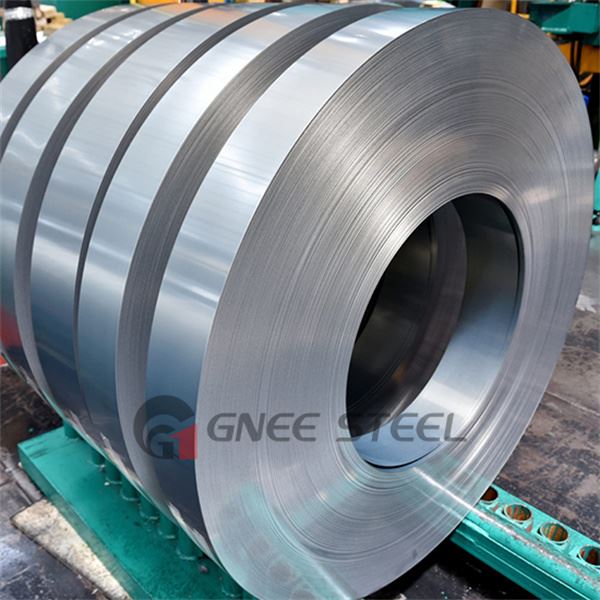

Final Annealing
The final annealing is a super important step in the production of CRGO steel. This is where we really lock in the desired grain orientation. We heat the steel to a very high temperature, often above 1000°C, and hold it there for a long time. During this high - temperature annealing, the grains in the steel start to grow in a specific direction. We use special additives and control the atmosphere in the annealing furnace very carefully. These additives help to promote the growth of grains with a [110]<001> orientation, which is what gives CRGO steel its excellent magnetic properties. This specific grain orientation allows the steel to have low core losses and high magnetic permeability, making it perfect for transformers.
Coating Application
After the final annealing, we might apply a coating to the surface of the steel. The coating serves several purposes. First, it provides electrical insulation between the layers of the steel when it's used in a transformer. This helps to reduce eddy current losses. Second, it protects the steel from corrosion. There are different types of coatings available, such as inorganic coatings or organic coatings. We choose the coating based on the specific requirements of our customers.
Inspection and Quality Control
Once the steel has gone through all these processes, we don't just send it out the door. We perform a series of inspections to make sure that it meets our high - quality standards. We check the thickness, the flatness, the surface finish, and of course, the magnetic properties. We use special instruments to measure the magnetic properties, like a permeameter. If the steel doesn't meet the standards, we might have to go back and re - process it.
Examples of Our CRGO Steel Products
We offer a range of CRGO steel products, like the B20P075 Cold Rolled Grain Oriented Silicon Steel, the 20QG085 Cold Rolled Grain Oriented Silicon Steel, and the B23P090 Cold Rolled Grain Oriented Silicon Steel. Each of these products has been carefully produced using the cold - rolling processes I've just described, and they all have excellent magnetic properties that make them great for different types of transformers.
Contact Us for Your CRGO Steel Needs
If you're in the market for high - quality CRGO steel, we've got you covered. Our team of experts is always ready to help you choose the right product for your specific application. Whether you need a small quantity for a prototype or a large order for a big project, we can handle it. We're committed to providing you with the best - quality CRGO steel at competitive prices. So, if you're interested in purchasing our CRGO steel products, don't hesitate to reach out and start a conversation with us. We're looking forward to working with you!
References
- ASM Handbook Volume 6: Welding, Brazing, and Soldering.
- Steelmaking and Refining Volume 2 by The Making, Shaping and Treating of Steel.